Miami Beach Buyer Guide
Miami Beach Condos & Homes for Sale: Buyer's Guide
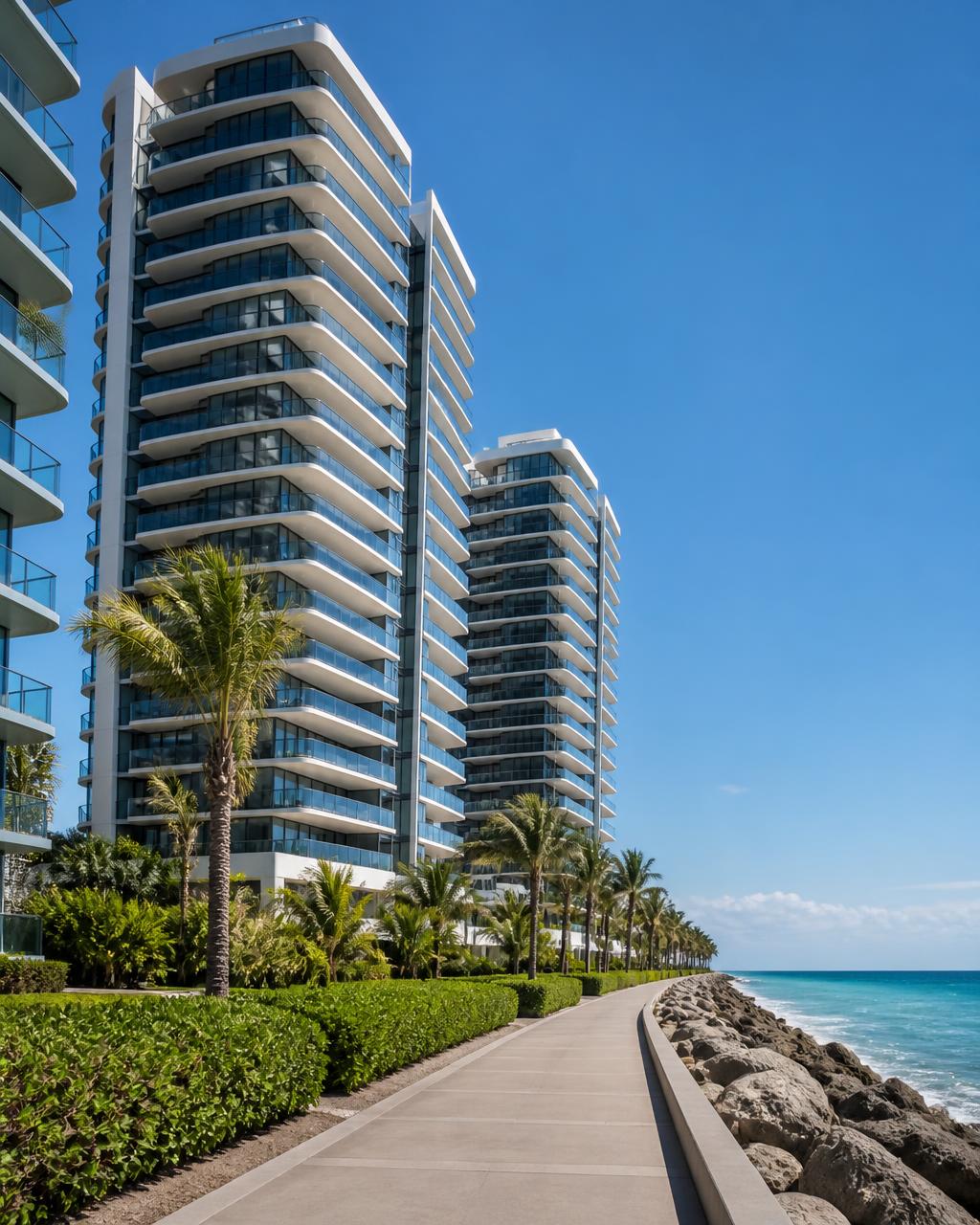
What Should Buyers Know About Miami Beach Real Estate?
Miami Beach includes condominiums, single-family homes and waterfront properties, and each requires a different type of due diligence. Condo buyers need to evaluate the unit and the building around it, while home buyers also need to evaluate the land and property condition — and, for waterfront homes, the physical waterfront itself.
That difference is the reason this guide exists. "Miami Beach real estate" is not one market with one set of questions; it is at least three, sitting within a few miles of each other on the same barrier island. A twentieth-floor oceanfront residence, a 1930s house a few streets inland and a bayfront home with a dock are all Miami Beach purchases, and almost nothing you verify on one of them transfers to the others. For location context and property discovery across the city, our Miami Beach community page is the companion to this article; this page is about how to evaluate what you find there.
What Types of Properties Can You Buy in Miami Beach?
Broadly, three: condominium residences, single-family houses, and waterfront houses — the last being a distinct category rather than a feature, because the water changes both the due diligence and the cost of ownership. Townhouses and small multi-unit buildings exist as well, but the three categories below account for most of what a buyer will actually compare.
Miami Beach is a barrier island city with the Atlantic Ocean on one side and Biscayne Bay on the other, plus a set of residential islands in between. Ocean-facing land is largely built vertically; the bay side and the island neighborhoods hold most of the single-family and waterfront housing stock. That geography is why property type and location are so closely linked here.
- 01Condo — unit + building + association + floor/position + view and exposure
- 02Single-family home — house + land + location + condition + privacy
- 03Waterfront home — house + land + waterfront + water access + dockage/shoreline + condition
How Do Miami Beach Condos and Houses Differ?
They differ in what you own, what you maintain and what someone else decides for you. A condo buyer acquires a residence plus an undivided interest in the common elements and accepts the association's budget, insurance and rules. A house buyer acquires the structure and the land, and takes on every maintenance and insurance decision directly.
Practically, the differences show up in maintenance responsibility, land ownership, privacy, outdoor space, amenities, parking, insurance structure, leasing rules and how costs arrive. Condo ownership converts most building maintenance into a predictable monthly fee — with the risk that a capital event arrives as an assessment. House ownership has no monthly fee, but roof, systems, landscape, pool and, on the water, seawall and dock are all yours to fund on their own schedule.
Amenities follow the same logic. A tower may deliver a pool, gym, staffing and security you would never build privately; a house delivers space, privacy and control that no building can offer. Neither is a better purchase. The broader Miami-wide version of this comparison lives in our guide to Miami condo versus single-family prices; this page applies the decision specifically to Miami Beach.
Where Should Buyers Look in Miami Beach?
Start with property type, then let geography follow. South Beach and Mid-Beach hold most of the oceanfront condominium stock; the bay side, North Beach and the residential islands hold most of the houses. Where you look should be decided by what you intend to own.
South Beach and South of Fifth sit at the island's southern end — the densest, most walkable part of the city, with Art Deco low-rises, mid-century buildings and a small number of newer towers. South of Fifth is quieter and more residential in character than the blocks north of it, despite being minutes away.
Mid-Beach runs north from roughly the mid-20s, mixing oceanfront towers, a rebuilt hotel corridor and inland residential streets, along with the La Gorce area on the bay side. North Beach covers the northern end of the city and holds a distinct mix of older ocean-block buildings and low-rise residential neighborhoods, including Normandy Isles.
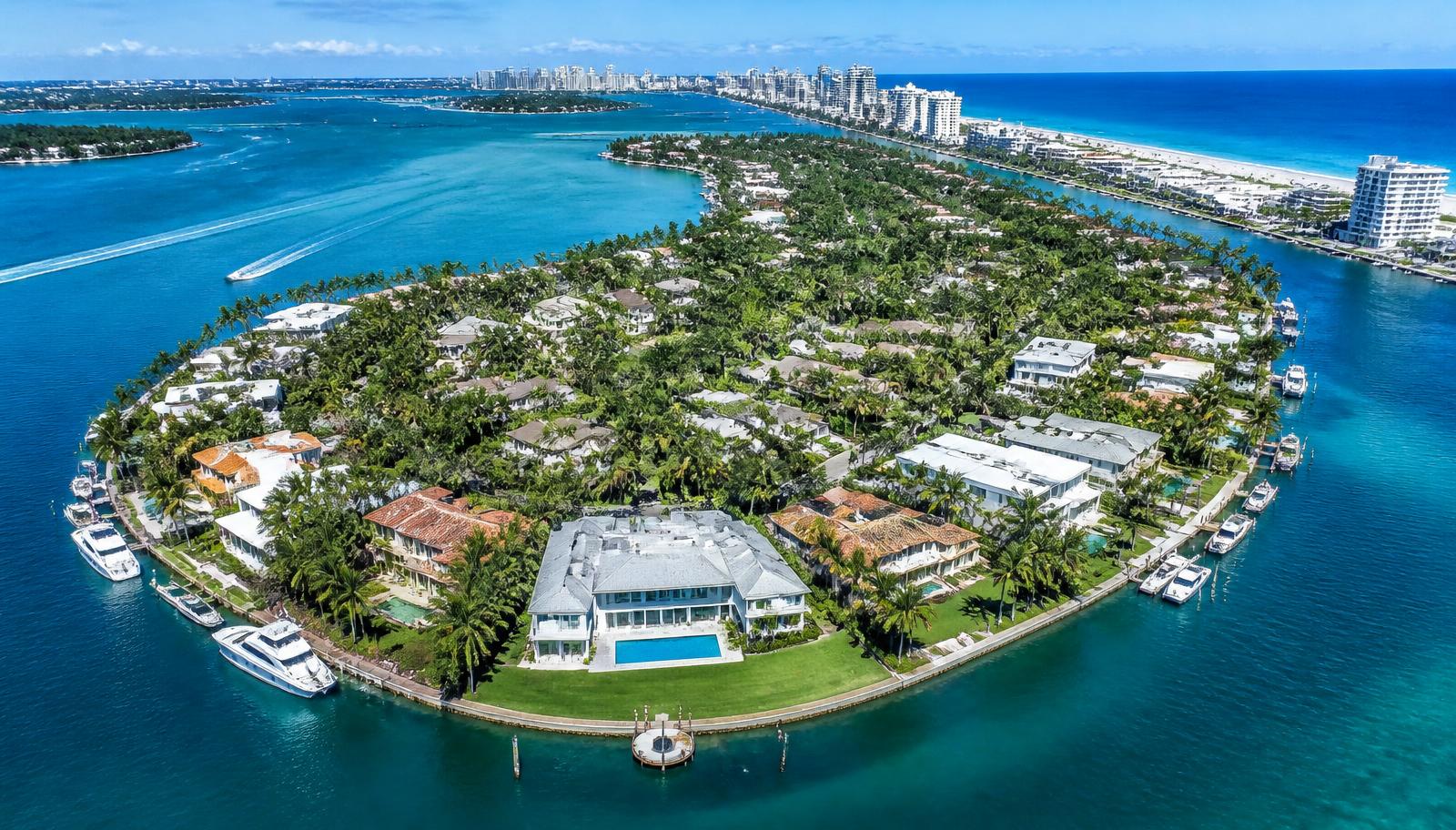
The residential islands are their own category. Venetian Islands, Sunset Islands, Star Island, Palm Island, Hibiscus Island and La Gorce Island are low-density, largely single-family and heavily waterfront — a very different form of Miami Beach ownership from anything on Collins Avenue. Discovery pages for South Beach, Mid-Beach and North Beach cover each area's character and current inventory in more detail.
One geographic note that matters more than it sounds: Surfside, Bal Harbour, Bay Harbor Islands and Sunny Isles Beach are separate municipalities north of Miami Beach, with their own governments, codes and building stock. Buildings there are frequently described as "Miami Beach" in casual listings copy. They are not, and the distinction affects everything from municipal rules to comparable sales.
Current Miami Beach Condo Inventory
Explore Miami Beach Condos for Sale
Explore current condos for sale in Miami Beach and compare buildings, residences, floor plans, views and property characteristics. Inventory changes continuously, so use the live listings below to see properties currently offered in Miami Beach.
What Should Buyers Know Before Buying a Miami Beach Condo?
That the purchase is made twice: once about the residence, and once about the building and association behind it. The first decision is visible on a floor plan and during a showing. The second sits in a budget, a reserve study, an inspection history, an insurance policy and a set of recorded rules.
Miami Beach's condominium stock spans nearly a century of construction, from Art Deco buildings converted decades ago to towers delivered in the last few years. Age is not a verdict — older buildings are often larger, better located and long since through significant capital work — but it does change what you verify. Florida's structural inspection framework under Fla. Stat. §553.899 applies milestone inspection requirements to certain buildings by age and height, and coastal buildings reach those thresholds earlier than inland ones.
Resale buyers in Florida also have a statutory right to a defined set of association documents under Fla. Stat. §718.503, including the declaration, bylaws and rules, the budget and financial statement, and the most recent structural integrity reserve study or a statement that none exists. Requesting them is the beginning of condo due diligence, not the end; the full reading process is set out in our guide to buying a condo in Miami.
Why the Condo Building Matters
Because the building sets your monthly cost, your capital risk and much of your daily experience — and none of that is described in a listing. The association decides when capital work happens and how it is funded, carries the master insurance policy, enforces the rules you live under, and through its financial condition influences whether lenders will finance a purchase there at all.
Building-level factors that separate two otherwise similar Miami Beach condos include construction era and condition, inspection and recertification history, reserve funding, pending or completed assessments, insurance, amenity program and staffing, parking and storage arrangements, leasing rules, management quality, financing eligibility, and how many units in the same building are currently listed or recently closed.
Why Floor, View and Exposure Matter
Because on a narrow barrier island, position determines what a residence actually offers — light, quiet, privacy and outlook. Floor level changes elevation and noise. Exposure changes light through the day and how a terrace can be used. View changes what you see, and whether what you see is likely to remain.
Direct ocean, oblique ocean, bay, Intracoastal, city and courtyard outlooks are all found within single buildings, and the pricing distance between them can exceed the distance between buildings. It is worth asking what sits between the residence and the water, and what the surrounding parcels permit, before treating an outlook as permanent. And elevation alone is not a value argument: a high floor with a poor layout can compare unfavorably to a lower unit with a better plan and a protected exposure.
What Should Buyers Know About Condo Fees, Reserves and Assessments?
That all three are building-specific, and that the monthly fee alone tells you very little. Fees are set by each association's budget; what they cover — staffing, amenities, insurance, common-area maintenance, utilities in some buildings, reserves — varies widely. A higher fee that funds reserves properly may represent less financial risk than a lower fee that does not.
Florida law requires residential condominium associations to maintain reserves for specific structural components identified in a Structural Integrity Reserve Study under Fla. Stat. §718.112. The practical question for a buyer is what the study identified, what is funded against it, and what the association plans to do about any gap. Special assessments — charges beyond regular fees, usually for capital work — are the mechanism by which that gap is closed.
- 01Budget — the current year's approved figures and what the fee covers
- 02Reserve study — which structural components were identified, and their condition
- 03Reserve funding — what is actually funded against those components
- 04Assessments — anything pending, approved or recently completed, and the balance owed
- 05Insurance — master policy scope, deductibles and what an owner must carry separately
- 06Inspection history — milestone or recertification status and any resulting scope of work
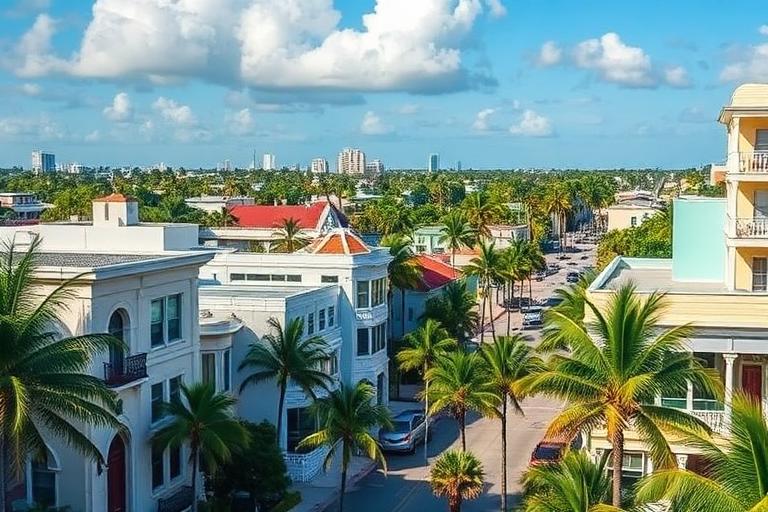
Current Miami Beach Home Inventory
Explore Miami Beach Homes for Sale
Explore current single-family homes for sale in Miami Beach and compare location, lot characteristics, property condition, privacy and waterfront features where applicable. Individual property details should be verified before making a purchase decision.
What Should Buyers Know Before Buying a House in Miami Beach?
That the land is a substantial part of what you are paying for. On a built-out barrier island, lot size, orientation, elevation, street character and privacy are finite, and they explain much of the price difference between two houses of similar size a few blocks apart.
Beyond the lot, the analysis is about the structure and its history: age and construction type, roof and building systems, prior renovation work and whether it was permitted, moisture and salt exposure, pool and garage where present, insurance, and the scope of any work you intend to do. Condition is particularly consequential in a coastal environment, where deferred maintenance compounds faster than it does inland.
- 01House — size, layout, construction type and age
- 02Land — lot dimensions, orientation, elevation and usable outdoor space
- 03Location — street character, proximity to ocean or bay, access and privacy
- 04Condition — roof, systems, structure, renovation and permit history
- 05Property features — pool, garage, walls, landscape and their maintenance load
- 06Current competition and recent comparable sales — what else a buyer can choose
Miami Beach also has substantial architectural and historic context, and a number of designated districts and individually designated properties. What can be altered, expanded or replaced can depend on the property, the district, any designation, zoning and permitting requirements. Rather than assuming a redevelopment path, verify it for the specific address through the City of Miami Beach's historic preservation program and the applicable planning and building departments before it becomes part of your valuation.
What Changes When the Home Is Waterfront?
A layer of physical due diligence that does not exist on a dry lot. A waterfront parcel includes a shoreline you are responsible for, and it may or may not support the way you intend to use the water.
- 01House + land — everything you would verify on any Miami Beach home
- 02Waterfront — shoreline type, seawall presence and condition
- 03Water access — where the property sits on the bay, canal or waterway system
- 04Dockage — dock presence, condition, size and permitting status
- 05Water depth and route — what the property can accommodate, and the way out
- 06Flood and insurance — the property-specific exposure and cost
Buyers weighing a high-service oceanfront residence against a private waterfront house are really choosing between two ownership models, and our comparison of luxury condos versus waterfront estates works through that decision. Higher-end inventory across the city is covered on our Miami luxury real estate page.
What Should Buyers Verify About Dockage and Water Access?
Whether the waterfront can physically support the vessel and use you have in mind — which is a question about the dock, the water and the route, not about the listing description. Dock presence, structural condition, permitting status, water depth at the property, the path out to open water and any bridges along it all bear on the answer.
None of this can be inferred from a photograph, a water view or the word "waterfront" in a listing. Two homes on the same canal can differ in depth, dock condition and clearance along the route. Where boating is central to the purchase, the technical evaluation belongs in the inspection period, and our waterfront homes guide covers dockage, depth, bridges, seawalls and shoreline in the detail that subject deserves.
What Should Buyers Know About Flood Risk and Insurance?
That both are property-specific. Flood zone designation, ground and finished-floor elevation, construction type, age and mitigation features vary parcel by parcel across Miami Beach, and insurance pricing follows those specifics rather than the city name on the address.
The practical sequence is to pull the flood zone for the exact address through the FEMA Flood Map Service Center, establish whether an elevation certificate exists, then obtain actual quotes for that property rather than working from a general figure. For condominiums, the association's master policy and the owner's separate coverage interact, so read both. Nothing about flood exposure or insurance cost should be generalized from one Miami Beach property to another.
What Does It Cost to Own Miami Beach Real Estate?
More than the mortgage, and differently by property type. Purchase price is one input; the ongoing cost structure is what determines whether a property is comfortable to hold.
For a condo: purchase price, financing, property taxes, unit insurance, association fees, any assessments, parking and storage charges where separate, and interior maintenance.
For a house: purchase price, financing, property taxes, property and flood insurance where applicable, roof and building systems, landscape and pool where present, and general maintenance on your own schedule.
For a waterfront house: all house costs, plus seawall, shoreline and dock maintenance, and the insurance treatment that comes with the location.
Property taxes deserve their own note. Florida assessment and exemption rules mean a prior owner's tax bill is often not a reliable guide to yours; verify the parcel and current assessment through the Miami-Dade County Property Appraiser rather than the number printed in a listing.
New Construction vs Resale in Miami Beach
They are different purchases requiring different evaluation, not a ranking. Resale means a completed property with an observable condition, an operating association where applicable, a real fee and a documented history. New construction means plans and renderings, a projected budget, a delivery timeline and a deposit structure — with new systems, current code and warranty coverage on the other side of it.
In a resale you can inspect what you are buying and read three years of association minutes. In new construction you are evaluating the developer, the contract, the deposit schedule and the projected association budget, and accepting that the finished context — including views and surrounding parcels — may differ from what is depicted. Current projects across the city are on our new developments page, and the contract mechanics are covered in our guide to buying new construction in Miami.
What Should Buyers Know About Rental Rules in Miami Beach?
That two separate rule sets apply, and both must permit the use you intend. Municipal regulation determines what is allowed at a given location; the building's or community's recorded documents determine what is allowed at that specific property. Either one can prohibit what the other permits.
The City of Miami Beach maintains and enforces short-term rental requirements that vary by location and property type and carry meaningful penalties for violations. Condominium associations layer their own minimum lease terms, approval procedures and leasing limits on top. Because both change over time and neither is uniform across the city, rental use must be verified for the exact property before it becomes part of a purchase rationale.
How Do Miami Beach Neighborhoods Differ?
Mostly by what is built there and how it meets the water. Rather than ranking areas, it is more useful to read each one through property type, building stock, waterfront relationship and residential character.
- South Beach and South of Fifth — the densest, most walkable part of the island; predominantly condominium stock across Art Deco, mid-century and newer construction, with a small pocket of houses.
- Mid-Beach — oceanfront towers along the Collins corridor, inland residential streets and the La Gorce area on the bay side; a mix of condo and single-family ownership.
- North Beach — the northern end of the city, with older ocean-block buildings and low-rise residential neighborhoods including Normandy Isles.
- The residential islands — Venetian Islands, Sunset Islands, Star Island, Palm Island, Hibiscus Island and La Gorce Island: low-density, largely single-family and heavily waterfront.
Broader conditions across the county — inventory, absorption and how those move by property type — are summarized on our Miami real estate market page and explained in our guide to reading Miami market trends.
How Should Buyers Compare Two Miami Beach Properties?
First establish whether they are the same property type. Comparing a condominium to a house on price per square foot produces a number, not an insight, because the two carry different ownership structures, cost bases and maintenance obligations.
For two condos, compare building, unit, floor, view and exposure, association finances and total ownership cost. For two houses, compare house, land, lot, location, condition and privacy. For two waterfront homes, add water access, dockage, shoreline condition and flood treatment to the house analysis.
That caution matters most exactly where the metric is used most: across different buildings, across different views within one building, between condos and houses, between waterfront and non-waterfront lots, and between properties in materially different condition.
What Should Buyers Review Before Making an Offer?
Identify the property type, then review the factors that apply to it. Common to every Miami Beach purchase: recent comparable sales, current competing listings, condition, inspection, financing, insurance, property taxes and intended use.
- Condo — declaration, bylaws and rules, budget, reserves and reserve study, assessments, insurance, inspection and recertification status, leasing rules, parking and storage.
- House — lot and elevation, structural condition, roof and systems, renovation and permit history, flood zone, insurance quotes.
- Waterfront — everything under house, plus water access, dock condition and permitting, water depth, route and bridges, seawall and shoreline.
Running that review on specific properties — and getting straight answers from listing agents and associations — is the substance of buyer representation in Miami.
What Should International and Out-of-State Buyers Consider?
Mostly logistics, since the mechanics of remote purchasing are well established here. Live video walkthroughs, floor-by-floor comparison within a building, remote review of association documents, inspections attended on the buyer's behalf and remote or hybrid closings are routine in Miami Beach.
Financing terms often differ for foreign nationals, closing logistics may involve additional identification and funds-transfer steps, and insurance quotes should be obtained before removing contingencies rather than after. Ownership structure and tax treatment are questions for qualified legal and tax professionals, not for a real estate guide. Property oversight after closing — who holds keys, handles association correspondence and manages a lease — is worth settling before closing. Our international buyer pillar covers the process end to end.
Explore Miami Beach Real Estate
Choosing the right Miami Beach property starts with understanding what you are actually buying. A condo requires evaluating the residence and the building; a house adds land and property-specific maintenance; and waterfront ownership adds another layer of water-access and shoreline due diligence. Explore current Miami Beach condos and homes and compare the options that fit how you plan to use the property. Where it helps to have those questions answered on specific listings, buyer representation from Supreme Capital Real Estate Agents Miami is available for Miami Beach purchases.
Next Step