Luxury Selling Guide
How to Sell a Luxury Home in Miami
Quick Answer
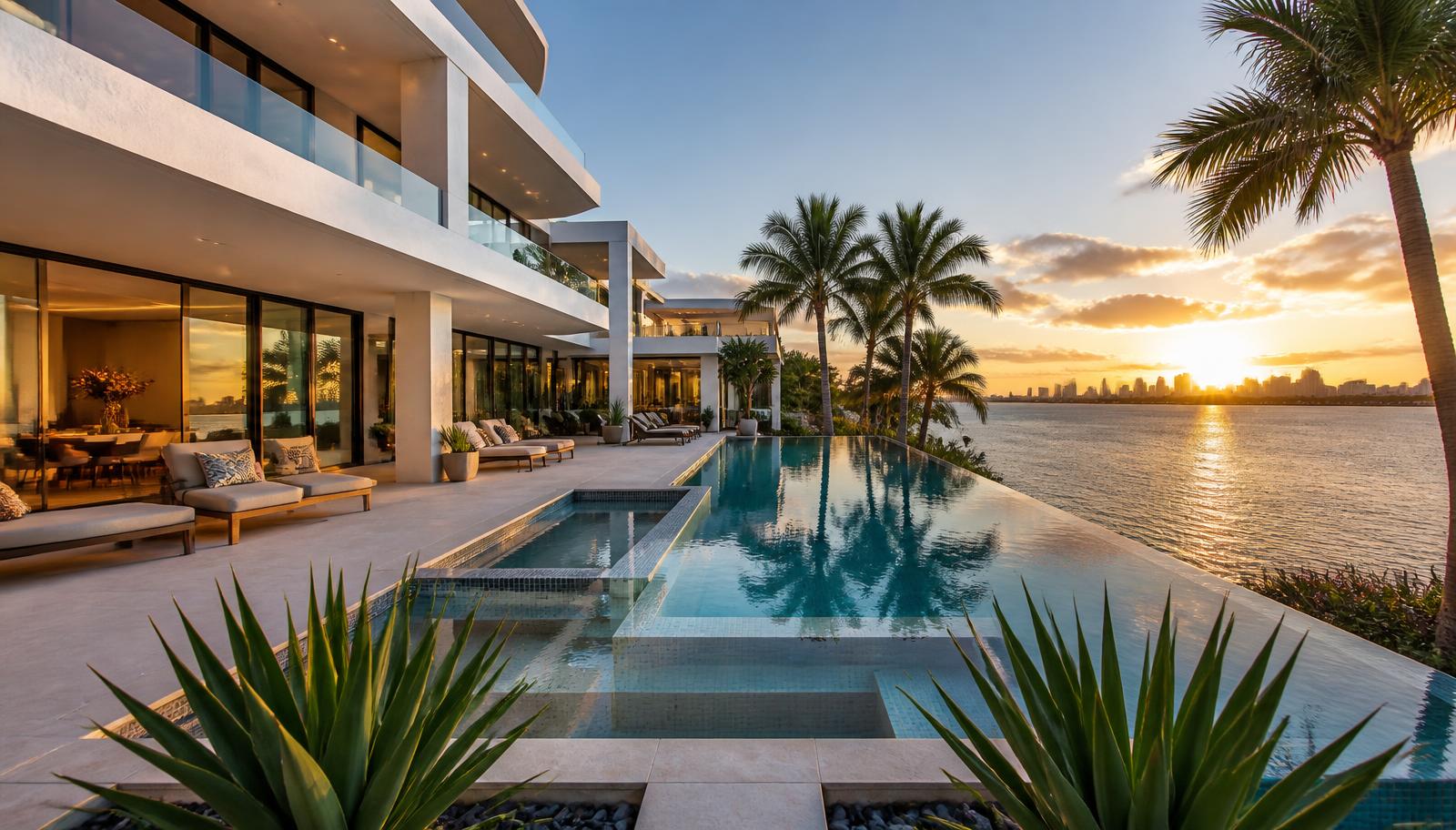
Selling a luxury home in Miami depends on four decisions taken in order: pricing from carefully selected comparable sales and current competition rather than averages; resolving maintenance and presenting the property properly before it is photographed; marketing to the specific buyer the residence suits, including out-of-state and international demand; and evaluating offers on terms and closing certainty as well as price. Because the buyer pool is smaller and each property is more distinct, precision matters more than activity.
What Makes Selling a Luxury Home in Miami Different?
The mechanics of a Florida closing do not change with price. What changes is everything around them: how many buyers exist, how much comparable evidence you have to work from, how carefully the property will be examined, and how much of the outcome is decided before the home is ever shown. If you are looking for the general Miami process — listing agreements, disclosures, timelines and contract management — that lives on our Miami property selling services page. This guide is about what is specific to a luxury sale.
A smaller, more specific buyer pool
Fewer buyers exist at every step up in price, and the ones who do exist are usually looking for something particular — a waterfront position, a certain architecture, a specific school proximity or a level of privacy. Reaching them matters more than reaching many people.
Property uniqueness
Higher-value homes are less interchangeable. Lot position, architecture, renovation quality and view can make a residence genuinely one of a few, which changes both how it should be priced and how long it may take to meet the right buyer.
Comparable-sale selection
With fewer transactions to work from, choosing which sales are truly comparable — and adjusting honestly for what differs — becomes the core analytical task rather than a formality.
Presentation carries more weight
Buyers at this level are comparing your home against very well-presented alternatives, including new construction. Photography, styling and condition are how the property enters that comparison.
Privacy expectations
Some owners cannot or do not want a fully public marketing campaign. That is a legitimate constraint, but it narrows exposure, and the trade-off should be a deliberate decision rather than a default.
Longer, more considered decisions
Purchases are often made alongside advisors, attorneys or family, and rarely on a first visit. The process tends to be slower and more document-driven than in the broader market.
How Should You Price a Luxury Home in Miami?
Pricing is one of the most consequential decisions in a luxury sale, because a smaller buyer pool can leave less room to recover from an inaccurate initial market position. In the broader market, a cluster of similar recent sales points to a defensible number. Higher up, the sales that are genuinely comparable may be few, and the differences between them — a wider lot, deeper water, a protected view, a renovation ten years newer — are large enough to move value substantially. That makes comparable selection and honest adjustment the real analytical work, and it is why automated valuations are least reliable precisely where a property is most distinctive. A broker-prepared Miami home valuation is where that evidence gets assembled for a specific residence.
- Recent comparable sales, selected for genuine similarity rather than convenience
- Location specifics: block, water frontage, dockage, exposure, privacy and outlook
- Lot size, buildable area and whether the site itself carries value beyond the structure
- Architecture and design quality, including who designed or built it where that is relevant
- Renovation level and the age of the systems a buyer will inherit
- View quality and, for condominiums, floor, line and exposure
- Current competing inventory — what a buyer can choose instead, this month
- New construction competition, which sets the buyer's reference point for finish level
Competition deserves separate attention. Closed sales establish what value has been proven; active listings establish what a buyer can choose instead this month. Statewide context helps frame the local picture — Florida Realtors monthly market reports publish median prices, inventory and months of supply by county and price tier, including the higher brackets that matter here. If three well-presented alternatives sit in your range, your price has to answer them. Launching above the market spends the strongest attention a listing will ever receive on buyers who will not transact, and the reductions that follow are visible to every agent watching.
Resale competition is not the whole picture either. Depending on location, price point and property type, a luxury residence can be compared against newly completed and pre-construction inventory as well — new towers and delivered residences among Miami new developments set the finish level, amenity expectation and delivery timeline many buyers use as a reference. Sellers who want to understand how those buyers weigh a contract on an unbuilt residence against a completed home can read our guide to buying new construction in Miami.
Where To Start
What Could Your Luxury Property Sell For?
A property-specific valuation should consider recent comparable sales, current competition, condition, location and the characteristics that differentiate the property.
Preparing a Luxury Miami Property for Sale
Preparation at this level is less about adding features and more about removing reasons to hesitate. Not every luxury property needs extensive renovation — many buyers intend to apply their own design, and a costly renovation in the wrong taste rarely returns its cost. What consistently pays is resolving maintenance, presenting the architecture clearly, and being ready before the property is photographed.
Maintenance before improvement
Roof condition, air conditioning, water intrusion evidence, pool equipment and closed permits. These are what reopen a negotiated price at inspection, and they matter more than adding features.
Presentation and styling
Neutral, well-lit interiors that let scale and architecture read clearly. Partial staging is often enough in an occupied home; vacant homes usually benefit from more.
Landscaping and arrival
The approach, entry, lighting and grounds set expectations before a buyer is inside. In Miami's climate this work is also where deferred maintenance shows first.
Photography readiness
Prepare first, then photograph, then launch. Marketing a property before it is ready spends the strongest attention window on the weakest version of the home.
Privacy and access planning
Decide in advance how showings are qualified and scheduled, what imagery is published, and what is shared only with vetted buyers.
Permits deserve a specific mention in Miami-Dade. Unpermitted additions, enclosed terraces and open permits surface during title work with some regularity, and discovering one after a contract is signed hands the buyer leverage at the worst possible moment. A permit search before listing is inexpensive relative to what it protects.
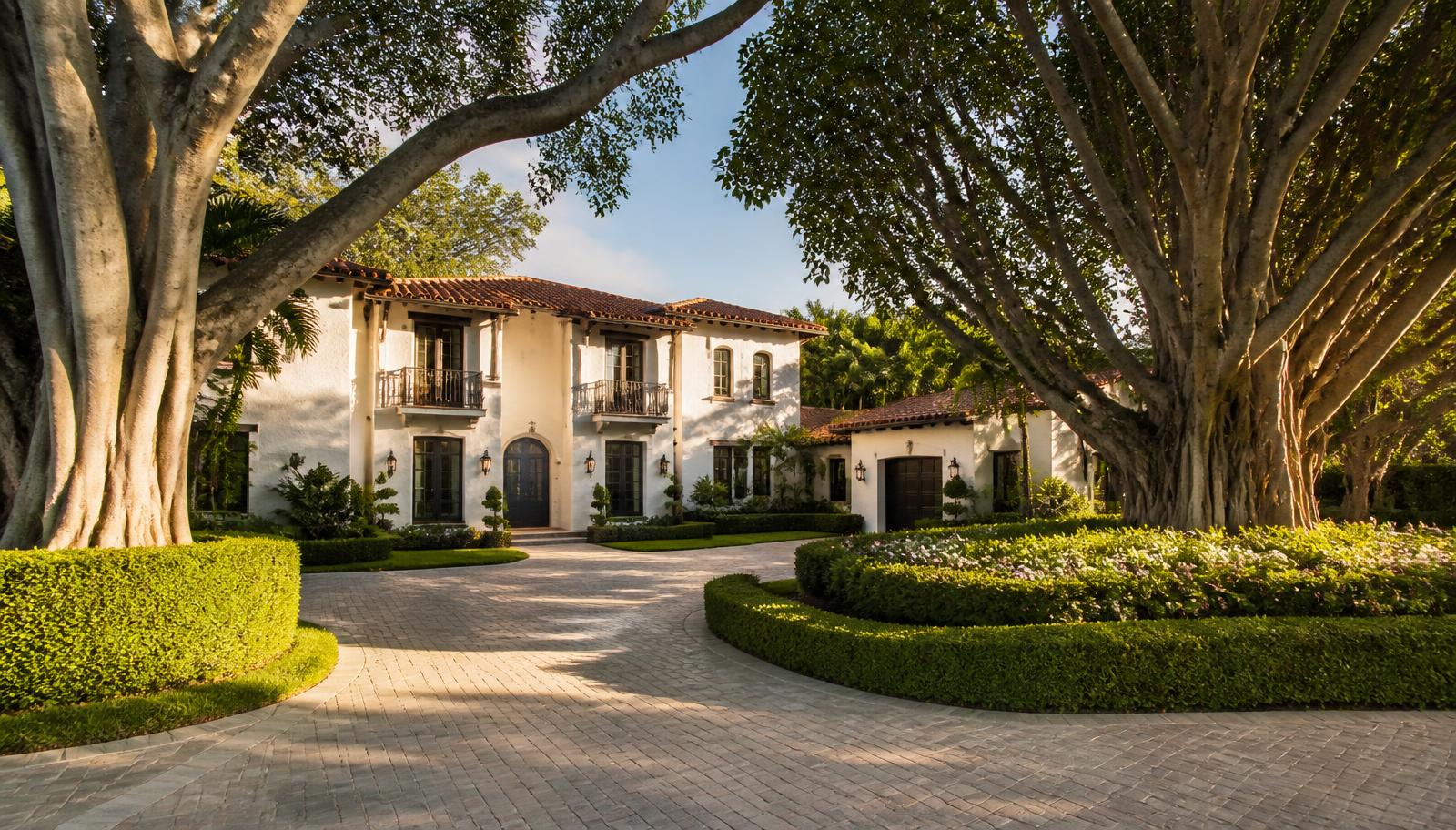
Presentation standards also differ by area. A historic residence in Coral Gables is judged on how well its architecture and grounds have been kept, while a newer bayfront home is judged against current construction quality. Preparation should answer the standard your buyer is applying.
Marketing a Luxury Home in Miami
Marketing should be built from the property outward. A bayfront estate with dockage, a Coral Gables historic residence and an oceanfront penthouse suit different buyers, and those buyers are reached through different channels. The useful question is not "how much marketing" but "which buyer, and where are they looking".
A few principles hold regardless of property. Imagery and video should show the architecture and the setting accurately rather than flatter them, because a buyer who arrives to something lesser than the photographs is already negotiating downward. Written positioning should name the property's real advantages — water depth, exposure, lot position, provenance of the design — instead of generic superlatives. Reach should extend beyond local traffic, since a meaningful share of Miami's higher-value purchases come from out-of-state relocation and international buyers who form their first impression on a screen. And where a property serves a narrow buyer, broker-to-broker distribution into the networks representing that buyer usually matters more than portal volume.
Discretion is a real consideration for some owners. Confidential marketing is a legitimate choice, but it trades exposure for privacy, which can mean fewer competing offers and less price discovery. It should be a deliberate decision with the trade-off understood, not a default. Luxury owners also receive direct and off-market approaches before or during a marketing campaign; the headline number alone does not determine which route produces the stronger result, and the comparison of exposure, terms, costs, timing and estimated net proceeds is set out in our guide to cash buyer versus listing your Miami home.
Before You List
Planning to Sell a Luxury Property in Miami?
A positioning review looks at your property's competition, likely buyer and marketing approach before anything is published.
Get a Personalized Selling StrategySelling a Miami Waterfront Luxury Home
Waterfront is where Miami's value differences become largest and least intuitive. Two homes with the same interior square footage can sit far apart in value because one has protected deep water and the other has a narrow canal with a fixed bridge between it and the bay. A seller who cannot describe their water accurately is leaving the most valuable part of the property unpriced.
- Water type: open bay, protected basin, canal, lake or oceanfront — each attracts a different buyer
- Frontage: linear feet of seawall and how usable that frontage actually is
- Dockage: dock condition, lift capacity, power and water, and the vessel length it can hold
- Bridge clearance and whether access to the bay or ocean is unobstructed for larger vessels
- Seawall condition, elevation and permit history, all of which surface in diligence
- Orientation: sunrise or sunset exposure, prevailing wind and afternoon shade
- Privacy from neighbouring properties and from passing marine traffic
- Whether the view is protected from future construction across the water
Insurance and elevation questions arrive early with waterfront buyers, and they vary property by property rather than by neighbourhood. Before listing, a seller should know the parcel's designation on Miami-Dade County's flood zone maps and have elevation certificate, seawall and dock permitting ready, since the same documents underpin a buyer's quote under FEMA's National Flood Insurance Program. Answering those questions with paperwork instead of estimates keeps diligence from becoming a renegotiation.
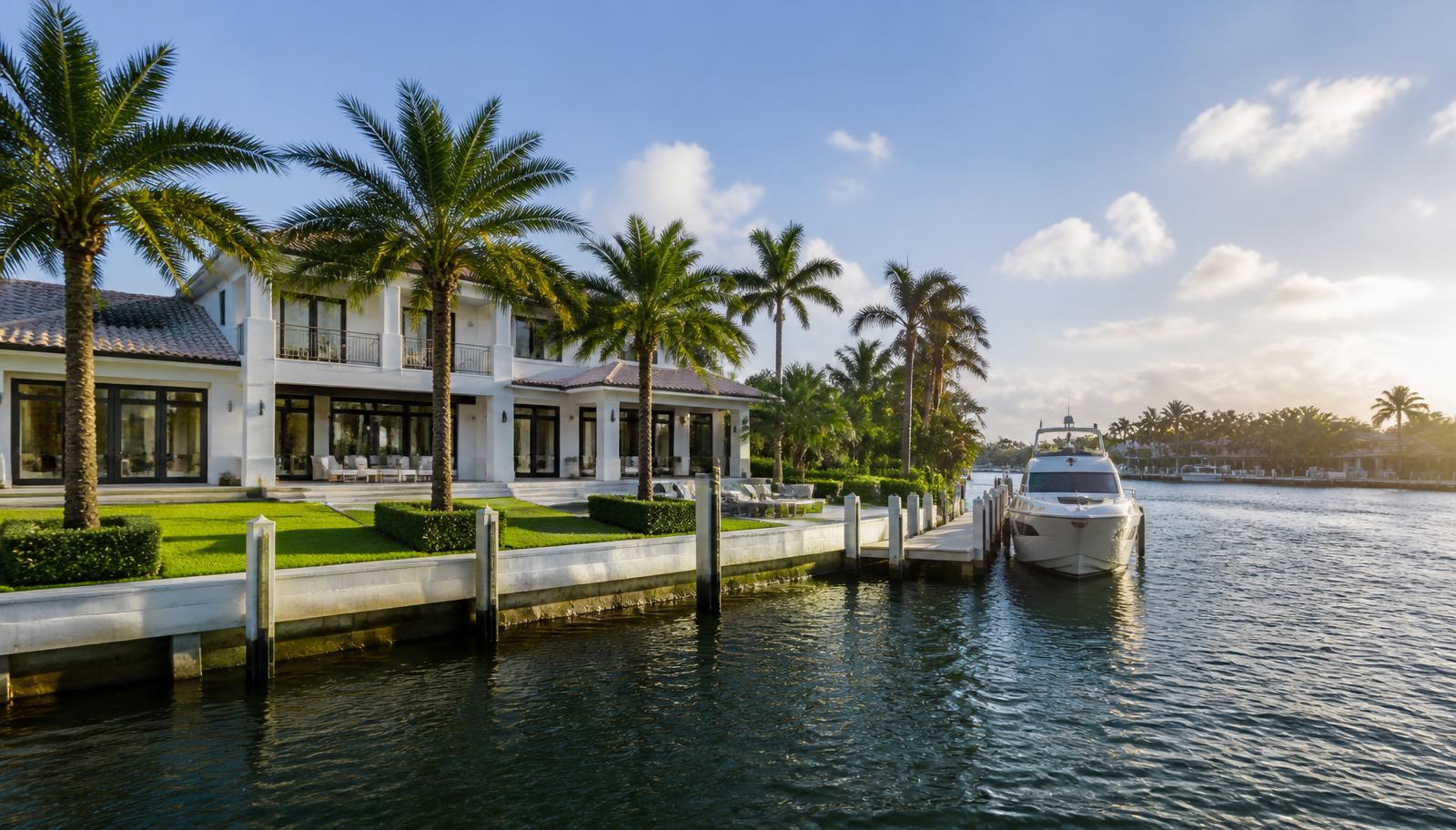
Buyer expectations vary sharply by area. A boater comparing Gables Estates and Cocoplum is weighing water depth and access as seriously as the residence, while a buyer looking at Star Island or Key Biscayne may be buying position and privacy first. For a fuller treatment of the market itself, see our overview of waterfront homes for sale in Miami.
Selling a Luxury Condo in Miami
A luxury condominium sale is a narrower comparison than a house. The buyer is often choosing between specific units in specific buildings, sometimes within the same tower, which means the building's standing and the unit's exact position do much of the pricing work.
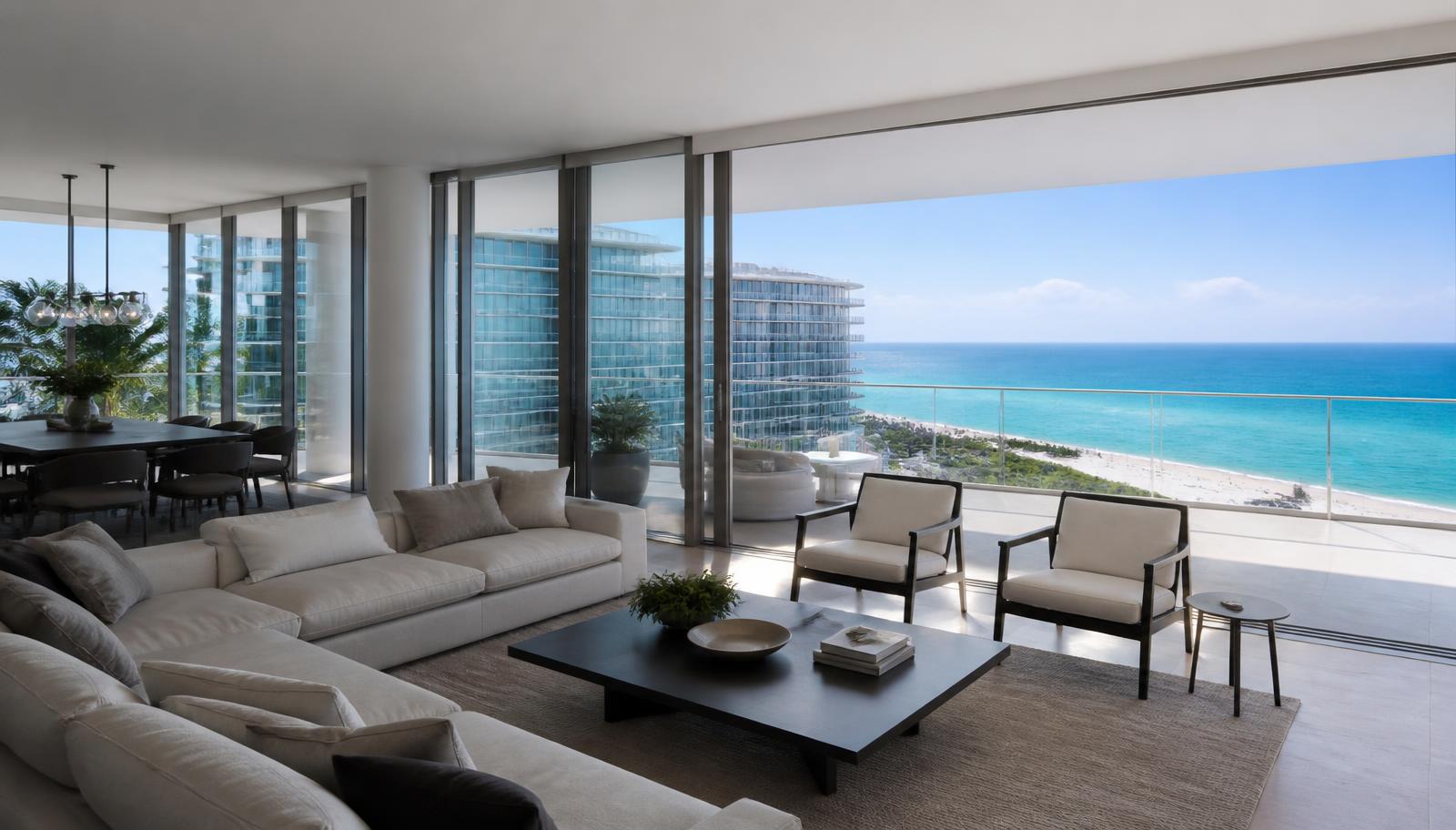
- Building reputation, management quality and how it is regarded by brokers in the area
- Floor, line and exposure — the same layout can vary widely in value across floors
- View quality and whether it is protected by zoning or an adjacent site
- Reserves, recent or pending special assessments and the association's financial condition
- Amenity level and how it compares to newer buildings competing for the same buyer
- Closed sales within the building, which are the most persuasive comparables available
- How many units in the building are listed at the same time
- Financing considerations, since lender approval of a building affects part of the buyer pool
- Leasing rules, which matter to buyers who intend seasonal or investment use
Association documents deserve attention before listing rather than after a contract. Assembling budgets, reserve studies, assessment history and meeting minutes early prevents the mid-transaction discovery that costs both time and price. Owners who want representation rather than general guidance can review our Miami luxury real estate services.
How Luxury Buyers Evaluate Miami Properties
Buyers at this level are comparative and unhurried. They are rarely choosing between your home and nothing; they are choosing between your home and a specific set of alternatives, and they will visit more than once, often with advisors. Understanding what they weigh explains most pricing outcomes.
- Location and immediate surroundings, including neighbors and street character
- Privacy, gating and how the property is entered and screened
- Water frontage, dock capacity, bridge height and protected versus open exposure
- View quality and whether it is protected from future construction
- Lot size, outdoor living and pool orientation
- Architecture, ceiling heights, natural light and layout flow
- Renovation quality and the age of major systems
- For condominiums: building standing, amenities, floor, line and association rules
- What else is available at the price, including new construction alternatives
Location context matters as much as the residence itself. A buyer evaluating Coconut Grove against Pinecrest or Miami Beach is weighing water access, privacy, lot character and commute in the same decision as the house.
Negotiating a Luxury Home Sale
A strong offer and a completed sale are not the same thing. On higher-value transactions, more of the outcome is decided after the contract is signed — at inspection, at appraisal where financing is involved, and in the details of what conveys.
Price is one term among several
Deposit size, financing or cash, inspection and appraisal contingencies, closing timeline and post-closing occupancy all carry real value. The highest headline offer is not automatically the strongest transaction.
Certainty of closing
Proof of funds, lender quality and the buyer's own dependencies determine how likely the contract is to reach closing at the agreed number. A slightly lower offer with stronger terms can sometimes produce a better overall outcome than a higher offer carrying greater financing, appraisal or due-diligence risk.
Due diligence and inspection
Expect a thorough inspection on a higher-value home. Documented condition, service records and contractor estimates on file keep the conversation factual rather than speculative.
Appraisal, where financing is involved
Thin comparable data makes appraisal more variable at this level. Supplying a well-built comparable package and an improvement history reduces the risk of a mid-transaction adjustment.
Personal property and inclusions
Furniture, art, boats and equipment are often part of the discussion. Handling them explicitly, and separately from the real property, prevents late friction.
Transactions at this level also involve more parties — attorneys, tax and wealth advisors, trustees, sometimes family members. Building the timeline around those dependencies from the start prevents avoidable delay later. Owners selling from outside the United States should also review whether foreigners can sell property in Florida, since withholding and documentation affect net proceeds directly. On a luxury sale the amount held back at closing is material, and the rules and exemption process are set out in the IRS guidance on FIRPTA withholding.
Selling a Luxury Home Remotely or From Outside Miami
Many luxury owners are not in Miami for most of the sale. That is workable, but it has to be planned rather than improvised. Showings need a qualification process the owner trusts, because an empty or seasonally occupied residence is still being entered by strangers. Inspections, appraisal access and vendor visits all need a local point of coordination so that a two-week absence does not become a two-week delay.
Document execution is usually the easier part. Listing agreements, disclosures, addenda and most closing documents can be signed electronically, with remote notarization or a consulate or local notary handling what cannot. Title, payoff and wire instructions are where time is genuinely lost, so those should be opened early. The mechanics of a Florida sale completed at distance are covered in our guide to how real estate closings work remotely in Florida. Non-resident owners should read it alongside the withholding and documentation points above, since both affect the schedule and the net figure.
Common Mistakes When Selling a Luxury Home in Miami
- Pricing on aspiration rather than on comparable evidence and current competition
- Using comparables that are similar in size but not in position, condition or view
- Weak presentation and photography relative to the alternatives buyers are seeing
- Not knowing what the property is actually competing against at that price
- Over-improving before sale, in a style the likely buyer may not keep
- Marketing generically instead of to the buyer the property genuinely suits
- Ignoring showing feedback for months and then reducing the price twice
- Judging offers on headline price alone and losing the transaction in due diligence
How Long Does It Take to Sell a Luxury Home in Miami?
Expect a longer marketing period than the broader market, for the structural reason that fewer buyers exist and each decision is more considered. Pricing accuracy at launch influences the timeline more than any other single factor, and preparation time before launch should be planned into the schedule. Timing is covered properly in our guide to how long it takes to sell a house in Miami.
What Is the Best Strategy for Selling a Luxury Home in Miami?
- Price from selected comparable evidence and the competition a buyer can choose instead.
- Resolve maintenance and present the architecture properly before photography.
- Target the specific buyer the residence suits, locally and internationally.
- Position the property on its real advantages — water, lot, view, design, provenance.
- Negotiate on terms and closing certainty, not headline price alone.
- Manage due diligence and closing so the agreed number survives to settlement.
The short version: price from evidence, prepare selectively, present properly, reach the right buyer, and protect the agreed number through due diligence. The full treatment of value maximization — including preparation returns and net proceeds — is in our guide to how to sell a house in Miami for maximum value. For guidance across the wider market — buying, selling, valuation and neighbourhood research — explore Supreme Capital Real Estate's Miami real estate representation and resources.
Private Consultation
Considering Selling a Luxury Property in Miami?
Get a property-specific strategy based on your home's location, condition, current competition and selling objectives.
Related Seller Guides
- How to sell a house in Miami for maximum value — pricing, preparation returns and net proceeds.
- Cash buyer versus listing your Miami home — comparing a direct offer against open-market exposure.
- How long it takes to sell a house in Miami — timelines by price band and property type.
- Miami waterfront real estate — how water, dockage and access shape value.