Miami Real Estate Broker
Broker-led real estate representation for buyers, sellers and property owners throughout Miami — combining local market knowledge, property-specific strategy and experienced negotiation across Brickell, Coral Gables and Miami Beach.
Request a Consultation
Speak directly with the broker who will handle your file. Private, no obligation.
Miami Real Estate Broker
Supreme Capital Real Estate Agents Miami is a licensed Miami real estate brokerage representing buyers, sellers, owners and investors across Miami-Dade County — from Brickell and Edgewater condominiums to Coral Gables, Pinecrest and Coconut Grove homes and waterfront estates on Miami Beach, Key Biscayne and the island streets. A broker holds Florida's highest level of real estate licensure, which means valuation, negotiation and every contract are handled and reviewed at broker level rather than delegated. In practice that translates into pricing built from closed comparables in your building or on your street, an offer or listing strategy written down before the property goes to market, and one line of accountability from the first conversation through closing.
Miami Real Estate Broker for Buyers & Sellers
Most Miami transactions are handled by a sales associate, with the broker appearing only as a name on the paperwork. Supreme Capital Real Estate is structured the other way around: the broker who reads the market prices the property, writes the negotiation position and reviews the closing file.
For sellers, representation begins with property evaluation and market analysis — closed comparables, competing inventory and absorption in your building or on your street — followed by a pricing and listing strategy set in writing before launch. From there it covers presentation, release timing, offer review, inspection response, appraisal management, title coordination and closing.
For buyers, the same discipline defines target inventory, an offer structure and a walk-away threshold, then carries through inspection, financing and appraisal contingencies to funding. Owners who are simply weighing options can start with a broker-reviewed home valuation.
Valuation is grounded in verifiable closings rather than an aspirational number designed to win a listing, and offers are built on submarket data, financing realities and the inventory conditions of a specific building or street. The same standard applies to a $600,000 condominium and a waterfront estate.
Because the broker holds Florida's senior license, contracts, statutory disclosures and escrow deposits are reviewed at broker level before signature — and our Miami real estate agents work under that oversight while following the NAR Code of Ethics on every engagement.

Representation When You Are Selling
Pricing decides the outcome of a Miami listing more than any other variable. We build the number from closed comparables, current competing inventory and the absorption rate of the specific building or street, then set presentation, photography and release timing around it.
Broker oversight continues through offer review, inspection response and appraisal. Our approach to positioning is set out in detail in how to sell a Miami home for maximum value.
Selling a Miami PropertyRepresentation When You Are Buying
Buyer representation begins with defining what you are actually solving for — carrying cost, association health, flood exposure, rental rules, resale depth — and narrowing inventory to properties that survive that test.
From there we handle valuation, offer structure and contingency protection. If you are still choosing an area, our review of the best neighborhoods in Miami to buy a house is a practical starting point.
Buying a Miami PropertyCurrent Miami Listings
Live MLS inventory across Miami-Dade County, updated directly from the local multiple listing service. For the full map and filter interface, use our Miami property search.
Where We Represent Clients
Miami is a collection of distinct submarkets that price, absorb inventory and negotiate differently. Browse the full directory on the Miami communities hub, or start with the markets below.
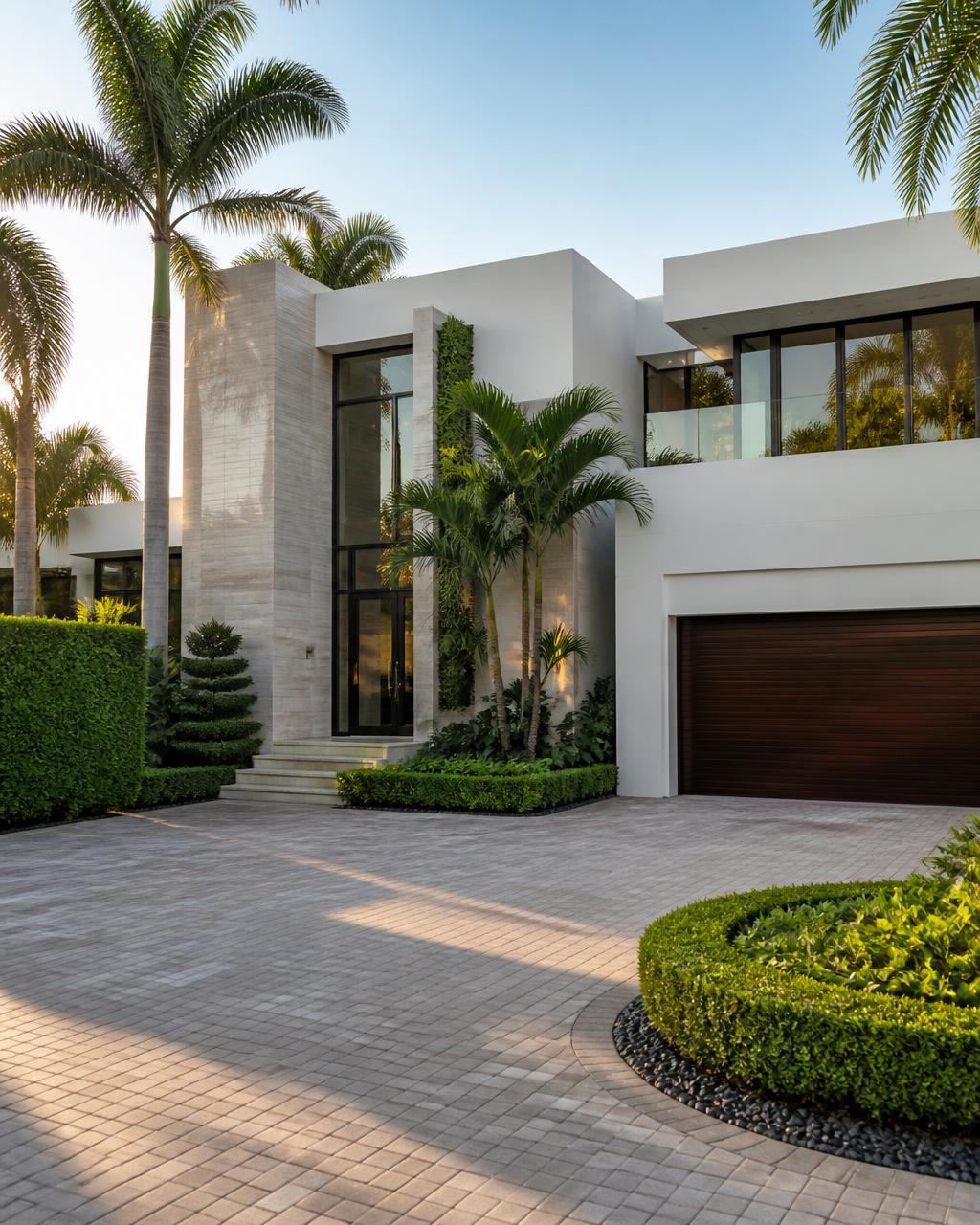

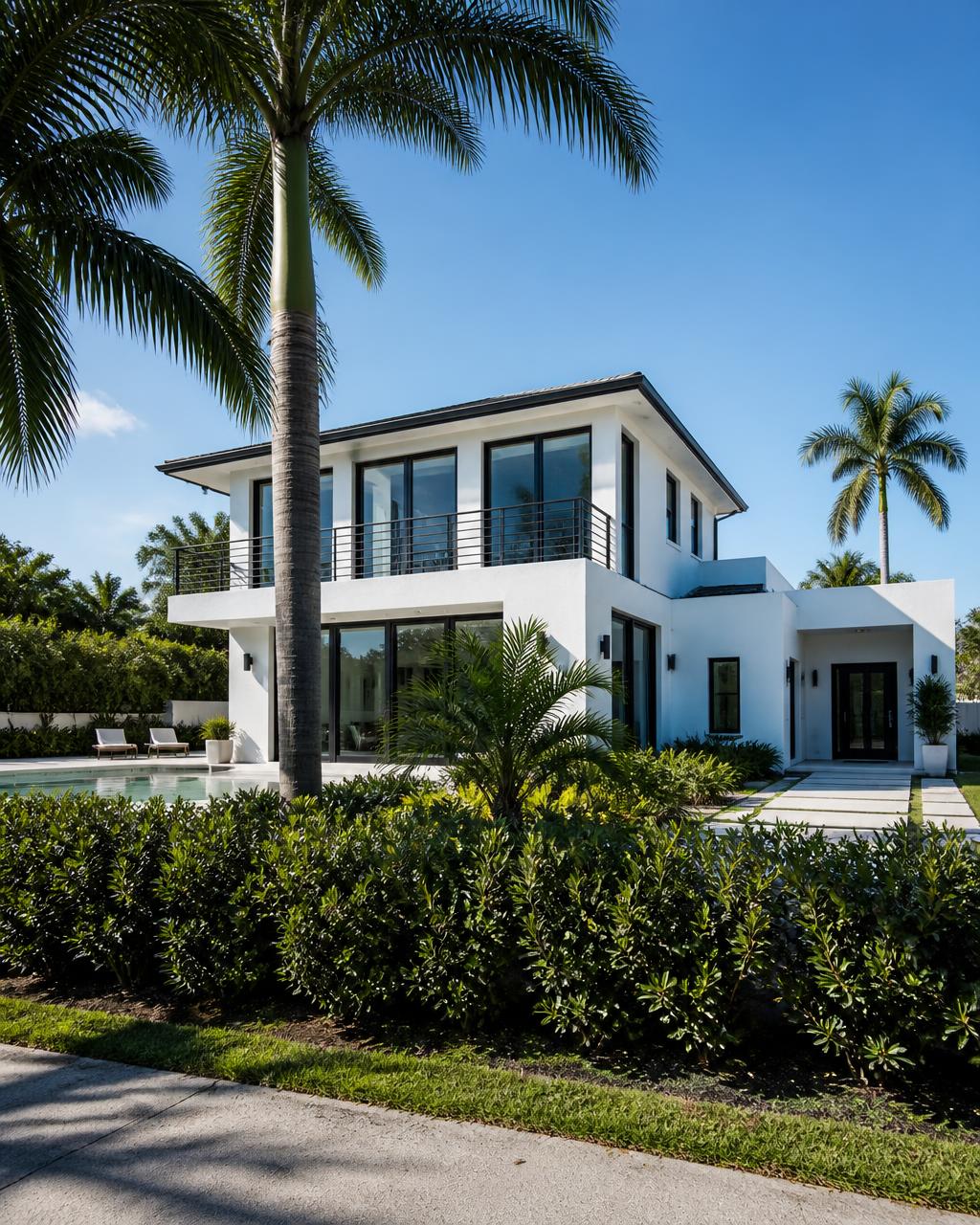
Mediterranean-Revival estates, tree-lined streets and gated waterfront enclaves.
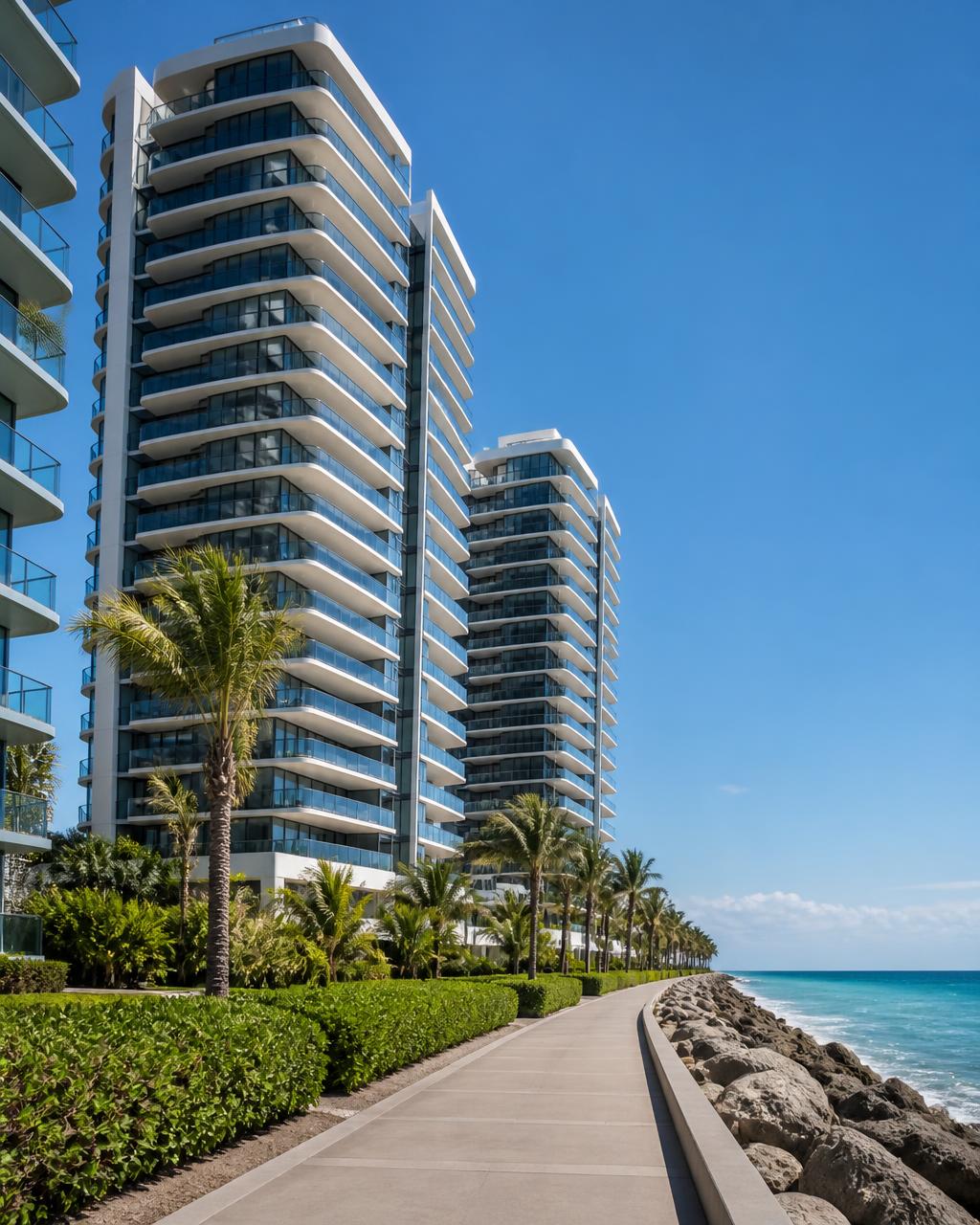
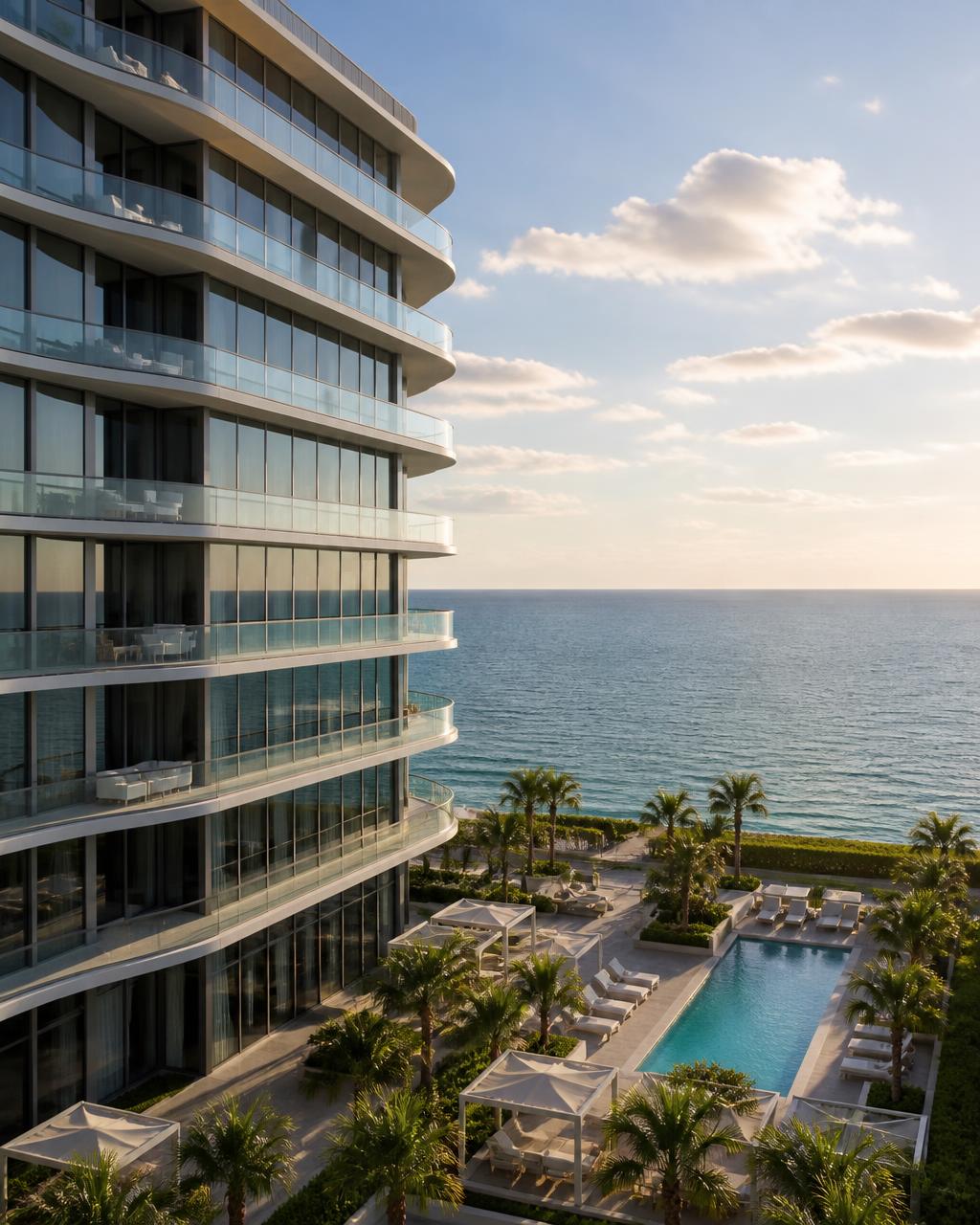
Oceanfront towers, island estate streets and bayfront residences.
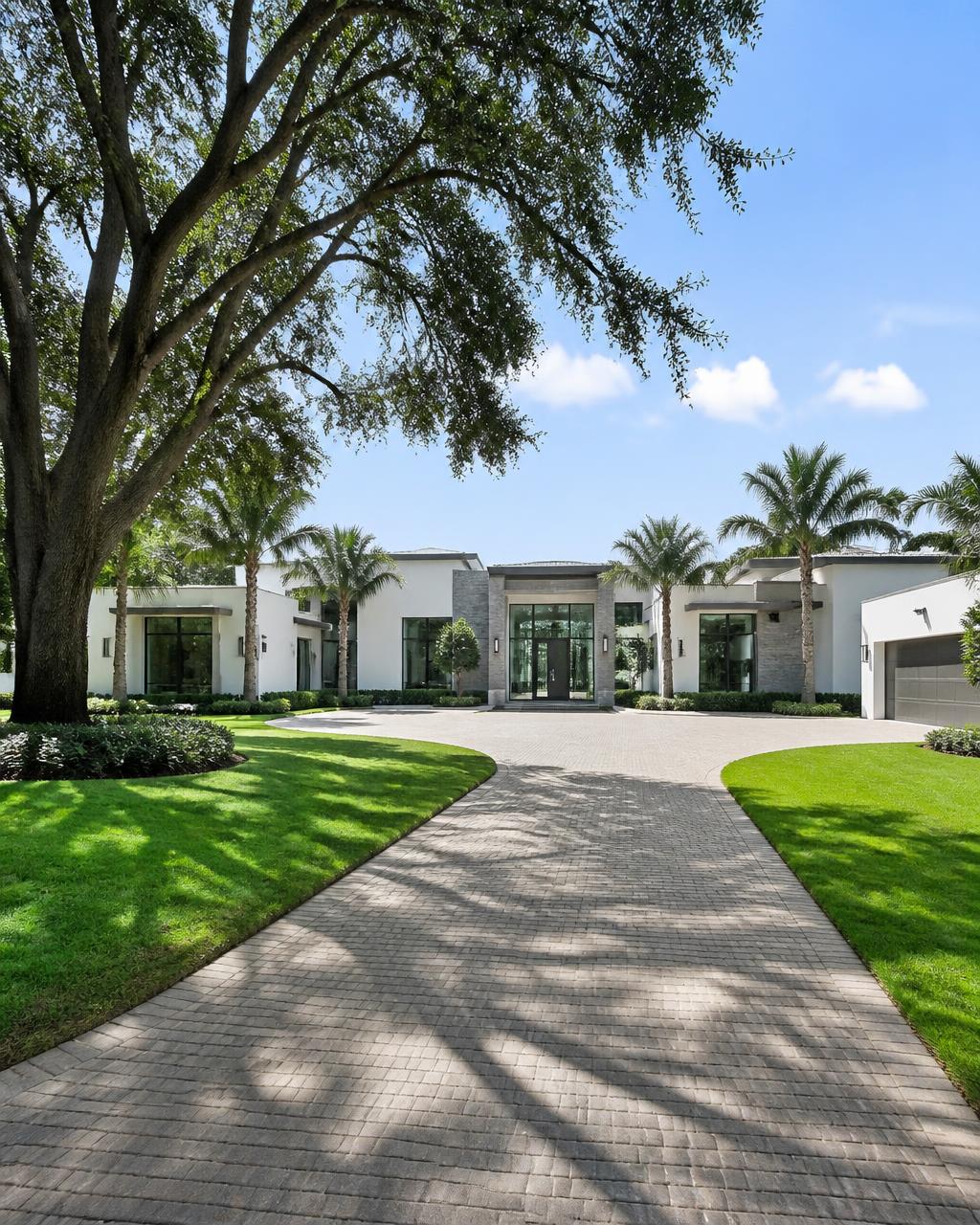
Acre-plus estate lots, established schools and family residences.
Bayfront village character, lush canopy and new construction residences.
Island living minutes from Brickell, with beaches and family residences.
Full-service oceanfront condominium residences and private beachfront.
Coral Gables
Mediterranean-Revival estates, tree-lined streets and gated waterfront enclaves.
ViewMiami Beach
Oceanfront towers, island estate streets and bayfront residences.
ViewPinecrest
Acre-plus estate lots, established schools and family residences.
ViewCoconut Grove
Bayfront village character, lush canopy and new construction residences.
ViewKey Biscayne
Island living minutes from Brickell, with beaches and family residences.
ViewBal Harbour
Full-service oceanfront condominium residences and private beachfront.
ViewReal Estate Brokers in Miami — Local Market Knowledge Matters
Miami-Dade is a set of independent submarkets. A Brickell condominium, a Coral Gables single-family home and a Key Biscayne waterfront property are priced by different buyer pools, absorb inventory at different rates and negotiate on different terms. Broad citywide statistics rarely describe any of them accurately.
Markets We Cover
In the urban core we work across Brickell, Edgewater, Midtown and Coconut Grove, where inventory is building-specific and carrying cost decides value as much as price per square foot does.
Along the coast, representation spans Miami Beach, South Beach, Bal Harbour, Sunny Isles Beach and Key Biscayne.
South of the Grove, the estate corridor runs through Coral Gables, Pinecrest, South Miami and Palmetto Bay. Current conditions across all of them are tracked on our Miami real estate market page.
Property Types We Represent
Condominiums
Full-service and boutique towers, underwritten on association financials, reserves, milestone inspection status and rental rules.
Single-Family Homes
Estate lots, renovated 1920s architecture and new construction, priced on lot, flood zone and finish level rather than square footage alone.
Waterfront Property
Bayfront and canal-front homes where dock, seawall, bridge height and elevation certificate move value materially.
New Construction
Pre-construction condominiums and spec homes, with independent review of developer contracts and deposit structures.
Townhomes
Low-density urban and suburban product for buyers who want space without estate-level carrying cost.
Investment & Rental
Income property evaluated on achieved rents, lease-term restrictions, insurance and net yield — not gross projections.
Buying, Selling & Investing With a Miami Real Estate Broker
Four different objectives, four different disciplines — handled by the same broker, using the same submarket evidence.
Buying a Home in Miami
We define what you are solving for — carrying cost, association health, flood exposure, school access, resale depth — then narrow inventory to properties that survive that test, and build the offer around valuation rather than list price. Buyers still choosing an area can start with the best Miami neighborhoods to buy a house.
Buyer representationSelling a Home in Miami
Price, presentation and release timing are set before the listing goes live, from closed comparables and the absorption rate of your building or street. The first two weeks carry the most buyer attention, so the number has to be right at launch — as covered in how long it takes to sell a house in Miami.
Seller representationInvestment & Second-Home Purchases
Income and second-home purchases are modelled on achieved rents, lease-term restrictions, insurance renewals, taxes after reassessment and pending assessments — the variables that decide net yield and carrying cost. Neighborhood differences are significant, as our analysis of Miami rental yields by neighborhood shows.
Is now a good time to buy?Miami Home Valuation
Owners deciding whether to sell, refinance or hold start with a broker-reviewed valuation built from closed comparables in the building or on the street, adjusted for condition, view, lot and frontage — not an automated estimate drawn from citywide averages.
Request a valuationWork With a Licensed Real Estate Broker in Miami
A broker holds Florida's senior real estate license, which is why the work below is performed and signed off at broker level rather than delegated. Four disciplines run through every engagement, whether the file is a first purchase or a waterfront disposition.
Property & Market Analysis
Every engagement opens with valuation work, not a pitch. We read comparable closings, absorption, days on market and buyer profile at the submarket level, then frame the trade-offs in writing so a decision rests on numbers rather than sentiment.
Pricing & Positioning
Pricing, presentation, timing and audience are set before a property reaches the market. For buyers, the same discipline defines target inventory, an offer structure and the walk-away threshold that protects your position.
Negotiation Strategy
Offers, inspection responses, appraisal gaps and repair credits are handled by the broker who priced the property. Terms, contingencies and closing timelines are negotiated with the same rigor as headline price.
Transaction Oversight
Contracts, statutory disclosures, escrow deposits and closing documents receive broker-level review before signature. Under Florida Statute Chapter 475 that accountability sits with the broker, and it stays with the broker through post-closing reconciliation.
Miami Luxury & High-End Real Estate Brokers
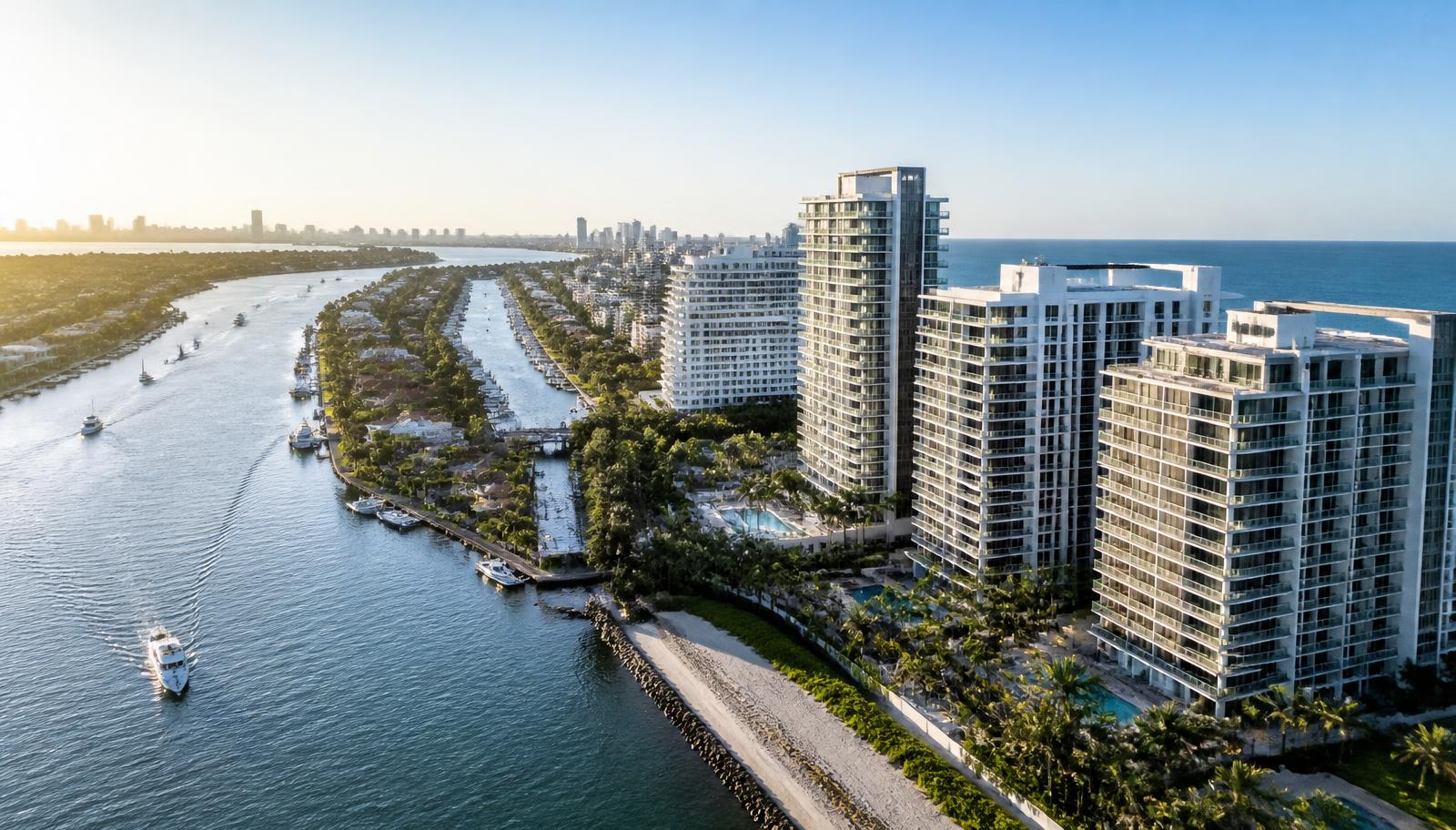
Miami's high-end market is not one market. Trophy oceanfront condominiums, gated bayfront estates, branded residences and pre-construction penthouses each trade on different buyer pools, different absorption rates and different pricing evidence. Above roughly $3 million, transactions are also thinner: comparable sales are scarce, so the price a property achieves depends heavily on how it is positioned and how the negotiation is run.
Transactions in Bal Harbour, Key Biscayne and Fisher Island routinely raise title, environmental and tax questions that demand this layer. Our broker reviews every file before closing, and the wider luxury market is covered on our Miami luxury real estate page.
Miami Luxury Real Estate
Miami Real Estate Broker for Waterfront Properties
Waterfront valuation in Miami turns on details that never appear in an automated estimate: dock and seawall condition, bridge height and navigable draft, lot orientation against afternoon sun, and the flood zone and elevation certificate governing insurance cost. Two homes on the same canal can price 20% apart on those variables alone.
We represent buyers and sellers on bayfront and canal-front property in Palm Island, Gables Estates and Key Biscayne, with additional detail in our guide to waterfront homes for sale in Miami.
Miami Real Estate Broker for Condos & New Construction
A Miami condominium is underwritten building by building. Reserve funding, milestone inspection status, pending assessments, rental restrictions and insurance renewals determine carrying cost as much as the purchase price does. We read the association's financials before an offer is written, not after.
Coverage spans full-service towers in Brickell, Edgewater and Bal Harbour, alongside current Miami new developments.
Buying a Condo in Miami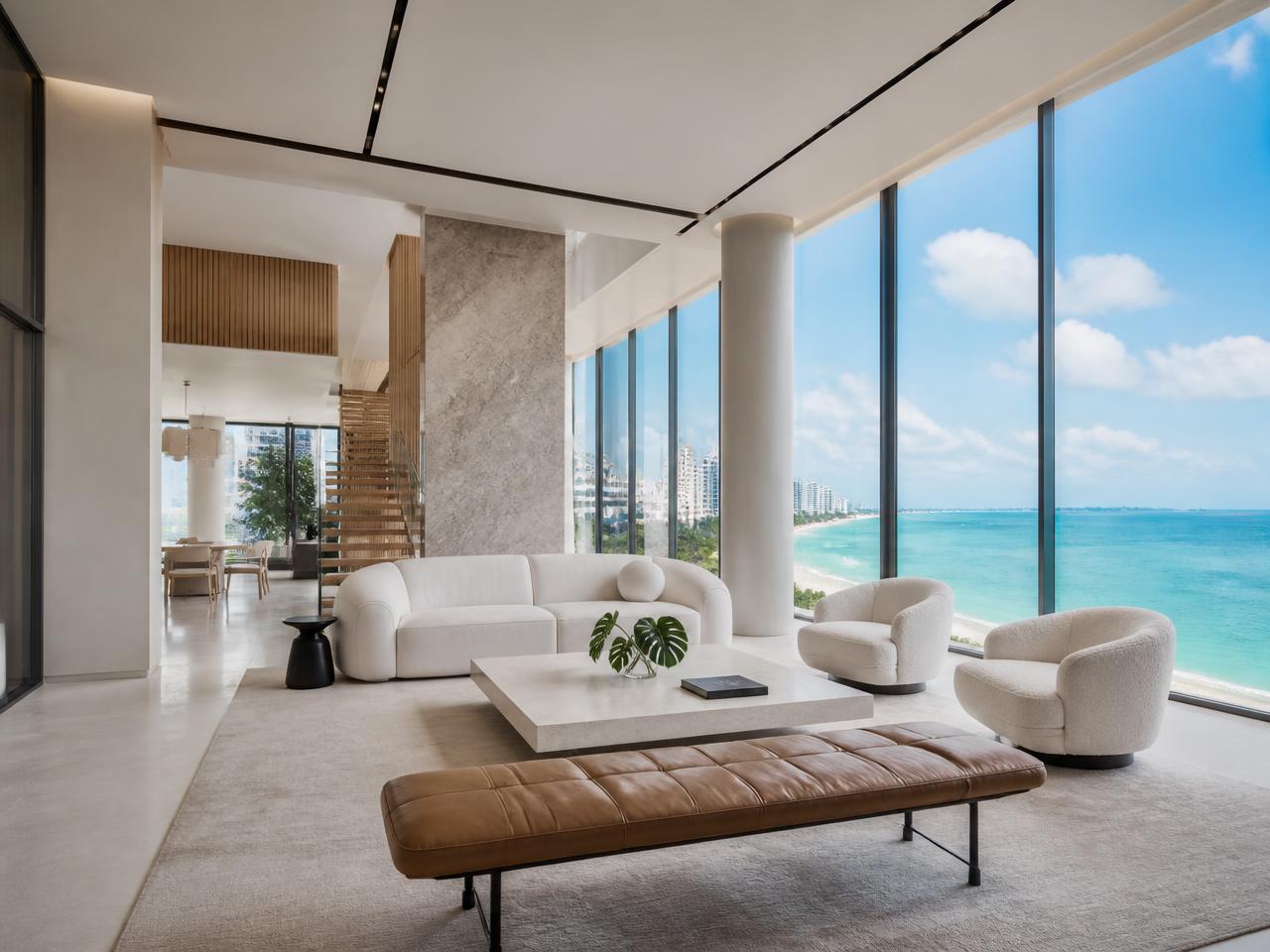
How to Choose a Real Estate Broker in Miami
Compare on evidence rather than marketing volume. Five areas separate brokers who can defend a price from those who cannot.
Local Market Knowledge
Ask for closed comparables in your building or on your street from the last six months, with the reasoning behind each adjustment. Citywide averages are not an answer in a county of independent submarkets.
Property Experience
Condominiums, estate homes, waterfront property and pre-construction each underwrite differently. Confirm the broker has closed the property type you are buying or selling, not simply the price band.
Pricing & Valuation
A price should come with its evidence: comparable closings, competing inventory, absorption and the adjustments made for condition, view, lot and frontage. Ask to see the working, not just the number.
Negotiation
Offers, inspection responses, appraisal gaps and repair credits decide net proceeds. Ask how similar negotiations were run and who at the firm actually conducts them.
Communication & Representation
Confirm whether the broker who prices your property also negotiates and reviews the closing file, how often you will hear from them, and that active licensure and disciplinary history check out through the DBPR before signing.
What Makes the Best Real Estate Brokers in Miami Stand Out?
Rankings and award badges are largely self-reported, so they say little about how a file will be handled. What separates the strongest brokers in Miami is demonstrable submarket expertise — closed sales in the building or on the street in question, and the ability to explain what each comparable does and does not prove about your property.
Beyond analysis, three habits show up consistently: a pricing strategy written down before the property reaches the market, negotiation conducted by the person who built the valuation, and transaction management that stays engaged through inspection, appraisal, association review, title and closing. Recommendations are explained rather than asserted, which is what allows a client to make the decision rather than defer it.
We do not claim a ranking. We do apply the same standard to a Brickell condominium and a waterfront estate, and current conditions behind every recommendation are published on our Miami real estate market page.
Comparing Top Real Estate Brokers in Miami
Interview two or three brokers and compare the same nine points. The differences surface quickly.
Markets served — which Miami-Dade submarkets they actually close in, not which they advertise.
Property types handled — condominiums, estate homes, waterfront, pre-construction, income property.
Pricing methodology — how a number is built, and which adjustments were applied and why.
Buying strategy — how target inventory, offer structure and the walk-away threshold are defined.
Selling strategy — presentation, release timing, audience and the plan for the first two weeks.
Negotiation — how offers, inspection items and appraisal gaps are handled in practice.
Communication — cadence, format and who you speak with when something changes.
Transaction involvement — whether the broker stays on the file through title and closing.
Local knowledge — depth in your specific street, building or association, evidenced by closings.
Miami Real Estate Broker for Out-of-State & International Clients
A significant share of Miami transactions close without the client in the room. Remote representation works when someone qualified is physically present — walking the property, attending the inspection, reviewing the survey and coordinating with title, lender and association on your behalf.
We represent buyers and owners across the United States, Latin America and Europe, including Spanish-speaking representation and Portuguese-speaking representation. Sellers abroad can review how we handle selling a Miami property from abroad.

What Is Your Miami Property Worth?
A broker-reviewed valuation for your property in any Miami-Dade neighborhood, built from closed comparables rather than an automated estimate.
Request a Property ValuationGet In Touch With A Real Estate Agent In Miami
Whether you are preparing to sell a Miami home, looking for guidance to buy a property, or placing a residence on the rental market, the conversation starts with your position and the numbers behind it.
For firm structure rather than licensing, see our Miami real estate company overview, or current conditions on the Miami real estate market page.
Connect With Our Broker
A private, no-obligation conversation with the broker who will handle your file.
Broker Representation Across Every Miami Service


Miami Real Estate Broker FAQs
What does a real estate broker do in Miami?
A real estate broker in Miami holds an advanced Florida license that authorizes them to operate a brokerage, supervise licensed sales associates, manage escrow and trust accounts, and bear ultimate legal responsibility for every transaction conducted under their license. Unlike a sales associate, a broker can represent clients independently and is accountable to the Florida Department of Business and Professional Regulation (DBPR) for all activity within their firm.
In practice, the broker reviews every contract, ensures statutory disclosure requirements are met, oversees earnest money deposits, and intervenes when disputes or compliance issues arise. This supervisory layer is especially critical in Miami-Dade County, where transactions frequently involve international buyers, complex financing structures, and properties subject to historic preservation or coastal building regulations in areas like Coral Gables and Miami Beach.
At Supreme Capital Real Estate Agents Miami, broker oversight is not a formality — it is embedded in every phase of the transaction, from listing agreement execution through post-closing reconciliation, ensuring regulatory compliance and fiduciary accountability at every step.
What is the difference between a real estate broker and a real estate agent?
Under Florida Statute Chapter 475, a real estate sales associate (commonly called an agent) must operate under the supervision of a licensed broker. The sales associate can show properties, negotiate offers, and facilitate transactions, but all contractual and escrow obligations flow through the broker's license. The broker holds the higher-level credential, having completed additional coursework, passed a separate state examination, and met minimum experience thresholds.
The practical distinction matters most in risk scenarios: if a contract dispute arises, if escrow funds are mishandled, or if a disclosure obligation is missed, it is the broker who bears regulatory and legal liability. This accountability structure is why broker-supervised transactions carry an additional layer of consumer protection that agent-only arrangements do not provide.
Supreme Capital Real Estate Agents Miami's Miami real estate agents operate under direct broker supervision, meaning every listing agreement, purchase contract, and closing document undergoes broker-level review before execution.
How can I verify a Florida real estate broker license?
To obtain a broker's license in Florida, a candidate must hold an active sales associate license for at least 24 months, complete 72 hours of pre-license broker education from an approved institution, and pass the Florida broker examination administered by the DBPR. Additionally, brokers must complete 60 hours of post-license education within their first renewal period and maintain 14 hours of continuing education every two years thereafter.
The DBPR also requires brokers to maintain errors and omissions insurance, adhere to strict escrow account management rules under Florida Administrative Code 61J2, and comply with all federal fair housing regulations. These requirements ensure that a licensed broker possesses both the knowledge and the regulatory accountability necessary to protect consumers in complex real estate transactions.
You can verify any Florida broker's license status directly through the DBPR public records portal. Supreme Capital Real Estate Agents Miami's brokerage license and all agent credentials are current and verifiable.
What should I look for in a high-end real estate broker?
Above roughly $3 million, Miami transactions are thin: comparable sales are scarce, buyer pools are narrow and the achieved price depends heavily on how the property is positioned and how the negotiation is run. A high-end broker should be able to explain, property by property, how scarcity, lot characteristics, water frontage, views, privacy, building differences and renovation quality translate into a defensible number.
Ask who reads the association financials, the survey, the elevation certificate and the title commitment, and who negotiates the inspection and appraisal response. In enclaves such as Bal Harbour, Key Biscayne and Gables Estates, that work decides the outcome more than marketing does.
Our approach to the high-end market is set out on the Miami luxury real estate page.
Can a Miami real estate broker represent buyers and sellers?
Yes. A licensed Florida broker can represent buyers, sellers, landlords and tenants, and most Miami brokerages operate as transaction brokers by default — providing limited representation to each side with a duty of honesty, fair dealing and disclosure of known material facts. A broker cannot represent both parties in the same transaction as a single agent without written consent under Florida Statute Chapter 475.
In practice, buyer work means valuation, offer structure, contingency protection and inspection strategy; seller work means pricing, listing strategy, presentation, offer review and appraisal management. Both run through the same submarket evidence — see buyer representation and seller representation.
The relationship and its disclosures are confirmed in writing before any offer or listing agreement is signed.
What fees does a real estate broker charge in Miami?
Brokerage fees in Miami typically range from 5% to 6% of the sale price for residential transactions, split between the listing brokerage and the buyer's brokerage. Some brokerages offer tiered commission structures, flat-fee arrangements, or negotiated rates for high-value properties. The specific fee structure should be clearly outlined in the listing agreement, which the broker is legally required to execute before marketing a property.
It is important to understand that the broker's fee covers not just the agent's commission but also the brokerage's overhead — including compliance supervision, errors and omissions insurance, marketing infrastructure, escrow management, and transaction coordination. These services provide measurable value, particularly in complex or high-stakes transactions.
Supreme Capital Real Estate Agents Miami offers transparent, competitive pricing with no hidden fees. Request a home valuation to understand your property's market position and potential net proceeds before listing.
Can a Miami real estate broker help with condos and new construction?
While developers have their own in-house sales teams, those representatives work for the developer — not for you. An independent broker provides buyer-side representation, reviewing the developer's contract (which is typically drafted in the developer's favor), negotiating upgrades and pricing, analyzing the developer's financial disclosures, and ensuring that deposit structures comply with Florida condominium law.
In Miami's active pre-construction market — particularly in Brickell, Edgewater, and Downtown Miami — broker representation is critical for protecting your deposit and ensuring the unit you receive matches what was promised. A broker also monitors construction timelines and milestone deadlines that trigger contractual obligations.
Having an independent broker costs the buyer nothing in most new construction scenarios — the developer pays the co-broke commission. There is no financial reason to proceed without professional representation.
How do I find a real estate broker near me in Miami?
Search by submarket rather than by city. A broker who closes regularly in your building or on your street already knows the comparable sales, the association's financial position and the buyer pool that actually competes for the property. Someone working the whole county rarely has that depth in any one of its markets.
Before signing anything, verify active broker status and disciplinary history through the DBPR public records portal. Then browse the market you are buying or selling in on our Miami communities hub.
We represent clients across Miami-Dade County and can be reached directly at 305-515-5714 or through our contact page.
How do I choose a real estate broker in Miami?
Start with evidence rather than advertising volume. Ask any Miami broker for closed comparable sales in your building or on your street from the last six months, along with the reasoning behind each price adjustment. Citywide averages are not an answer — Miami-Dade submarkets price and absorb inventory very differently, and a broker who cannot defend a number at street level cannot defend it in negotiation either.
Then confirm who actually handles the file. In many brokerages the broker wins the listing and a junior associate manages it afterward. Ask whether the person who prices the property will also negotiate the offers and review the closing documents, and ask for the pricing, presentation and timing strategy in writing before you sign anything.
Finally, verify licensure and disciplinary history through the DBPR before signing a listing or buyer representation agreement. Our approach to submarket-level analysis is set out across our Miami communities hub and on the Miami real estate market page.
How do I find the best real estate brokers in Miami?
Rankings and award badges are largely self-reported, so they are weak evidence. Judge a broker on what they can demonstrate: closed comparables in your submarket with the reasoning behind each adjustment, a written pricing or offer strategy, and a clear account of how negotiations were handled on similar properties.
Strong brokers explain recommendations rather than assert them, communicate on a defined schedule, and stay on the file through inspection, appraisal, title and closing. Weak ones transfer the work to a junior associate once the agreement is signed.
Current conditions across the markets we cover are tracked on the Miami real estate market page.
What should I compare between top real estate brokers in Miami?
Compare markets served, property types handled, pricing methodology, buying and selling strategy, negotiation approach, communication cadence and how involved the broker stays through the transaction. Those seven points separate brokers far more reliably than production volume does.
Ask specifically: which submarkets do you close in, how do you build a price, what happens if the appraisal comes in low, and who reviews the closing documents. A broker with real Miami submarket knowledge answers those with examples.
For investment purchases, add net-yield methodology to the list — achieved rents, insurance, reassessed taxes and pending assessments, as covered in our review of Miami rental yields by neighborhood.
Can a Miami real estate broker help with waterfront properties?
Yes, and waterfront property is where broker-level analysis matters most. Value turns on water frontage, dockage, seawall condition, fixed-bridge clearance and navigable draft, lot orientation, views, flood zone and elevation certificate, condition and redevelopment potential. Two homes on the same canal can price 20% apart on those variables alone.
We represent buyers and sellers on bayfront and canal-front property in Palm Island, Gables Estates and Key Biscayne.
Further detail is in our guide to waterfront homes for sale in Miami.
Can a Miami real estate broker work with international buyers?
Yes. A significant share of Miami transactions close without the client physically present. Remote representation works when someone qualified is on the ground — walking the property, attending inspections, reviewing the survey and elevation certificate, and coordinating with title, lender and association on your behalf.
We work with buyers and owners across the United States, Latin America, Europe and Brazil, including Spanish-speaking representation and Portuguese-speaking representation. Foreign buyers should also review the tax and documentation requirements covered in whether foreigners can buy property in Miami.
Owners selling from outside the United States can review the process, including FIRPTA withholding and remote closing mechanics, on our page about selling a Miami property from abroad.