Miami Buyer's Guide
How to Buy Property in Miami: The Complete Buyer's Guide

Quick Answer
Buying property in Miami generally starts with defining your budget, property type and preferred areas, followed by reviewing available inventory and recent comparable sales. Once you identify a property, the process typically moves through an offer, contract, inspections and due diligence, financing and appraisal when applicable, title and insurance coordination, a final walkthrough and closing.
Looking for representation rather than a step-by-step guide? See Buy Property in Miami.
What Should You Know Before Buying Property in Miami?
Miami is not one uniform market. Within a short drive you can buy a half-acre lot in a low-rise village, a 1920s house on a canal with dock access, a townhome near a walkable village core, or a condominium in a high-rise with staffed amenities. Each of those decisions changes the carrying cost, the due diligence and the resale audience.
The factors that shape most Miami purchases are location, property type, total budget rather than purchase price alone, insurance, condominium expenses where applicable, property condition, waterfront considerations and — for new construction — delivery timing and deposit structure.
Florida sets the legal frame around all of this: contract forms, closing procedures, property tax administration, insurance requirements and condominium statutes. The market itself, though, is local. Two houses a mile apart in Miami-Dade can differ on flood exposure, permit history, lot buildability and demand.
How Does the Miami Home Buying Process Work?
The sequence below is the one most Miami purchases follow. Some steps overlap, and financed purchases add underwriting milestones that cash purchases do not have.
1. Determine How You Will Purchase and Establish Your Budget
Before you start touring Miami properties seriously, decide how the purchase will be funded. The three most common approaches are paying cash, financing with a mortgage, or relying on the sale or financing of another asset or property. Each approach changes what you can search for, how quickly you can act, and how an offer should be structured.
If you plan to finance, speak with a qualified mortgage professional early in the process. A mortgage pre-approval can help establish a realistic purchase-price range, the down payment you are likely to need, estimated monthly housing costs, the approximate cash required for the transaction, the loan programs available to you, and whether certain property types — such as condominiums in buildings with investor concentrations or waterfront homes in higher-risk flood zones — may create financing considerations. Getting this clarity before you search helps you avoid falling in love with a property that does not match your actual buying capacity or a lender's guidelines.
Your financing method also shapes the real estate strategy. It can influence the price range you should realistically search, how an offer is structured, whether a financing contingency makes sense, how an appraisal may affect the contract, the closing timeline, the documentation that may accompany an offer, which properties are realistic candidates, and how quickly you can move when the right property appears.
Cash buyers do not need a mortgage pre-approval, but they should still determine how much they are comfortable allocating to the purchase, the additional acquisition and closing costs, the expected ongoing ownership costs, the liquidity considerations relevant to their own decision, and the proof-of-funds documentation that sellers or condominium associations may request with an offer. Paying cash does not automatically make an offer superior, but it can remove financing-related contingencies and sometimes shorten the closing timeline.
Purchase price alone does not determine affordability. Evaluate the total potential ownership cost, which may include:
- Mortgage principal and interest, when financed
- Property taxes
- Homeowners insurance
- Flood insurance where applicable
- Condominium or HOA fees
- Special assessments where applicable
- Maintenance and repairs
- Other property-specific expenses, such as dock upkeep or higher wind-mitigation costs
This is especially important when comparing single-family homes, condominiums, waterfront properties and new construction. A lower purchase price can carry higher monthly carrying costs, and a higher price can sometimes be offset by newer systems, lower insurance or fewer association fees. The goal is to evaluate the property and the financial structure together, not to search by asking price alone.
You may hear the terms pre-qualification and pre-approval used interchangeably, but the level of financial review and documentation can vary by lender. Ask your mortgage professional what has actually been reviewed, what documentation is still outstanding, what loan amount or purchase range is being considered, what assumptions were used, and what could affect final loan approval.
Supreme Capital Real Estate helps buyers understand how the purchase structure interacts with property selection, offer strategy, contract timing, property-specific considerations and the overall transaction. When mortgage-specific advice is required, we direct buyers to work with the appropriate licensed mortgage professional.
2. Choose Where You Want to Buy in Miami
Comparing Miami areas by name rarely helps. What helps is comparing the actual property and lifestyle decision each area puts in front of you, because the same budget buys structurally different ownership experiences across Miami-Dade.
If you are considering a condominium in a dense, walkable area such as Brickell, the questions that usually matter most are financial and structural rather than cosmetic:
- Monthly association fees and exactly what they cover
- The association's budget, reserve levels and financial condition
- Any approved, pending or discussed special assessments
- Building age, recent repairs and planned capital projects
- Parking — how many spaces, assigned or deeded, and where they sit
- Rental restrictions and minimum lease terms if you may lease the unit
- Floor, exposure, view protection and what could be built nearby
- Noise, elevator wait times and how common areas are maintained
If you are considering a single-family home in a lower-density area such as Pinecrest, the variables shift toward land, condition and ongoing upkeep:
- Lot size, shape, usable yard and privacy from neighbors
- Property condition and the age of roof, systems and windows
- Renovation scope, and whether prior work was permitted
- Newer construction versus an older home you would update over time
- Position within the community, including street traffic and access
- Insurance considerations, including wind mitigation features
- Total ongoing ownership cost — pool, landscaping, generator, larger systems
If water access is part of the decision — in Miami Beach, Coral Gables, Coconut Grove or another waterfront market — an additional layer of investigation applies: seawall and dock condition, water depth for the vessel you intend to keep, fixed bridges between the property and open water and their clearance, flood exposure and the insurance those factors produce. Two homes on the same canal can offer very different boating access.
Practical approach: define the three or four factors you will not compromise on, then let those factors narrow the areas rather than choosing an area first. Our comparison of Miami neighborhoods for buying a house goes deeper, and the Miami communities directory covers each area individually.
3. Review Miami Properties and Comparable Sales
Active listings tell you what sellers are asking. Recent similar sales — often called comparable sales — tell you what buyers actually paid. Reviewing comparable sales means understanding how the asking price relates to those closed sales, and then accounting for the ways the properties differ.
Depending on the property, differences that can materially change the comparison include:
- Location within the same neighborhood, including street and block
- Condition, and whether recent renovations were cosmetic or structural
- Interior square footage and, for houses, lot size
- Floor, exposure and view in a condominium
- The specific building, its age, amenities and monthly fees
- Waterfront exposure, dockage and water access
- Orientation, light and outdoor space
This is why two properties in the same neighborhood — or even in the same building — are not automatically comparable. A renovated unit on a high floor with protected water views and a lower floor unit facing a neighboring tower can close at meaningfully different prices in the same month. On the single-family side, a home on a wider lot with a newer roof is not directly comparable to an older home of similar size that needs work.
What to ask: which sales are being used as comparisons, how recent they are, how each differs from the property you are considering, and whether the adjustments being made for those differences are reasonable. You can review current inventory through the Miami MLS property search and then narrow by area.
4. Tour and Evaluate Properties
Touring is where the shortlist gets honest. Photographs flatter light, hide noise and never show the walk from the parking space to the front door.
Worth checking in person, depending on the property:
- Orientation and light at the hour you would actually be home
- Street and neighbor noise, and traffic patterns at different times
- Ceiling heights, layout flow and usable storage
- Parking access, guest parking and drop-off practicality
- Elevation of the entry and how the site drains
- Signs of moisture — staining, odor, patched ceilings, window seals
- Apparent age of roof, air conditioning and water heater
- In a building: lobby, corridors, garage, amenity upkeep and elevator wait
Nothing observed on a tour replaces a professional inspection. The purpose of the tour is to decide which properties deserve the cost and effort of formal due diligence.

5. Make an Offer
An offer is a package of terms, not just a number. Sellers weigh the whole structure, and the same price can read very differently depending on what surrounds it.
At a high level, an offer generally addresses:
- Purchase price
- Escrow deposit amount and timing
- Whether the purchase is cash or financed, and the financing terms
- Inspection and due-diligence provisions, including the length of that period
- Appraisal considerations where applicable
- Closing date and possession
- Personal property or inclusions where applicable
- Association approval and other transaction-specific terms
There is no universally correct strategy. The right structure depends on the property, the seller's situation and motivation, current market conditions in that specific segment, whether other buyers are competing, what recent similar sales support, your financing, and which terms you value most — price, certainty, timeline or flexibility. A buyer who needs a longer inspection period may reasonably trade something else to protect it.
Contract language, disclosures and legally binding obligations are why this stage belongs with your broker, and — where the transaction warrants it — with a real estate attorney.
6. Complete Inspections and Due Diligence
The inspection period exists so you can learn what the listing did not say, while you still have contractual options. The goal is not a perfect property; it is an informed decision about condition, cost and risk.
Depending on the property, a general inspection and related review may look at:
- Roof age, covering condition and evidence of past leaks
- Air conditioning systems, age and how they were maintained
- Electrical panel, wiring type and visible safety concerns
- Plumbing, water pressure and drain performance
- Moisture or water intrusion, including around windows and under finishes
- Windows and doors, including impact-rated openings where present
- Pool equipment and, where applicable, spa systems
- Visible structural concerns
- Previous renovations and whether permits are on record where relevant
When a general inspection flags a specialized concern, that is the moment to bring in the appropriate professional — a roofing contractor, licensed electrician or plumber, air conditioning specialist, mold or moisture assessor, structural engineer, or marine contractor for waterfront improvements. A general inspector identifies concerns; a specialist quantifies scope and cost.
Waterfront property usually needs additional evaluation of the seawall, dock, pilings and lift, along with the permits on record for those improvements. For a condominium, much of the meaningful due diligence lives outside your unit — in the building and the association's finances, covered below.
Insurance belongs in this window too. Request quotes early, because coverage availability and premium can change how a property compares on total cost.
7. Review Condo Documents When Buying a Miami Condo
When you buy a condominium you also take on a share of a building and its financial obligations. The documents are how you evaluate that share, and specifics vary by association.
Worth investigating, where applicable:
- Current budget, and whether operating costs are trending up
- Reserve levels and how reserves are funded
- Monthly assessments and precisely what they include
- Approved, pending or discussed special assessments and payment schedules
- Association insurance coverage, deductibles and recent premium changes
- Building condition, recent repairs and planned major projects
- Milestone inspection and structural reserve information where applicable
- Recent meeting minutes, which often reveal issues before financials do
- Litigation where relevant to the building or association
- Rental restrictions, minimum lease terms and approval requirements
- Pet, renovation and move-in rules
- Parking and storage — assigned, deeded or licensed, and transferable or not
- Purchase application, screening and approval process and timing
These matter because they change your real cost of ownership and your flexibility. A building carrying a large upcoming project may pass part of that cost to owners. A building with tight reserves may raise fees. A minimum lease term can eliminate the rental use you had planned. Rules and obligations depend on the specific condominium's documents and governing law, so review anything consequential with a real estate attorney.
8. Finalize Financing and Appraisal
Financed purchases move into underwriting while due diligence runs. Two things commonly surprise buyers here: the appraisal, and — for condominiums — the lender's review of the building itself.
An appraised value below the contract price can affect the loan amount and may require renegotiation, additional funds or use of a contract provision, depending on how the offer was written. For condominiums, some lenders decline buildings based on reserve funding, deferred maintenance, litigation, insurance coverage or investor concentration — which is why a building-specific conversation with your mortgage professional should happen early, not after inspections.
Keep documentation current, avoid new credit activity or large unexplained deposits while the file is open, and confirm milestone dates in writing so financing timing and contract deadlines stay aligned.
9. Title, Insurance and Closing Preparation
In parallel, the title company examines ownership history and searches for anything attached to the property that would follow you: liens, unpaid taxes, judgments, code violations, open or expired permits and municipal items. Open permits from prior renovations are a recurring Miami issue and can take time to resolve.
Insurance is the other long-lead item. Homeowners coverage, wind coverage and flood coverage where applicable are priced on the specific property — roof age and documentation, construction type, elevation, flood zone, and wind mitigation features all matter. Older and waterfront properties often require inspection reports before a policy can be bound, so start quotes as soon as you are under contract rather than in the closing week.
10. Complete the Final Walkthrough and Closing
The walkthrough confirms condition, agreed repairs and included items before funds move. Run the air conditioning, test water and appliances, check that nothing was removed and confirm any negotiated work was actually completed.
At closing you review the settlement statement against the estimate you were given, sign the documents and take title. Wire instructions should be verified by phone with a known contact before any funds are sent. Remote closings are common in Miami and are handled through electronic signing, remote or mobile notarization where permitted, and coordinated funds transfer.
Want Someone Handling These Steps With You?
Broker-led buyer representation covers area comparisons, offer strategy, inspection findings, association document review and closing coordination.
What Type of Property Should You Buy in Miami?
Single-Family Homes
You control the land, the roof and the renovation decisions, and there is usually no association approval to buy. In exchange you carry insurance, maintenance and landscaping directly, and condition matters more because there is no shared reserve fund behind the building envelope.
Condominiums
Lower personal maintenance, shared amenities and often better access to walkable locations — with monthly fees, association rules and shared responsibility for the building's finances. Financing depends on the building as well as the buyer.
Waterfront Properties
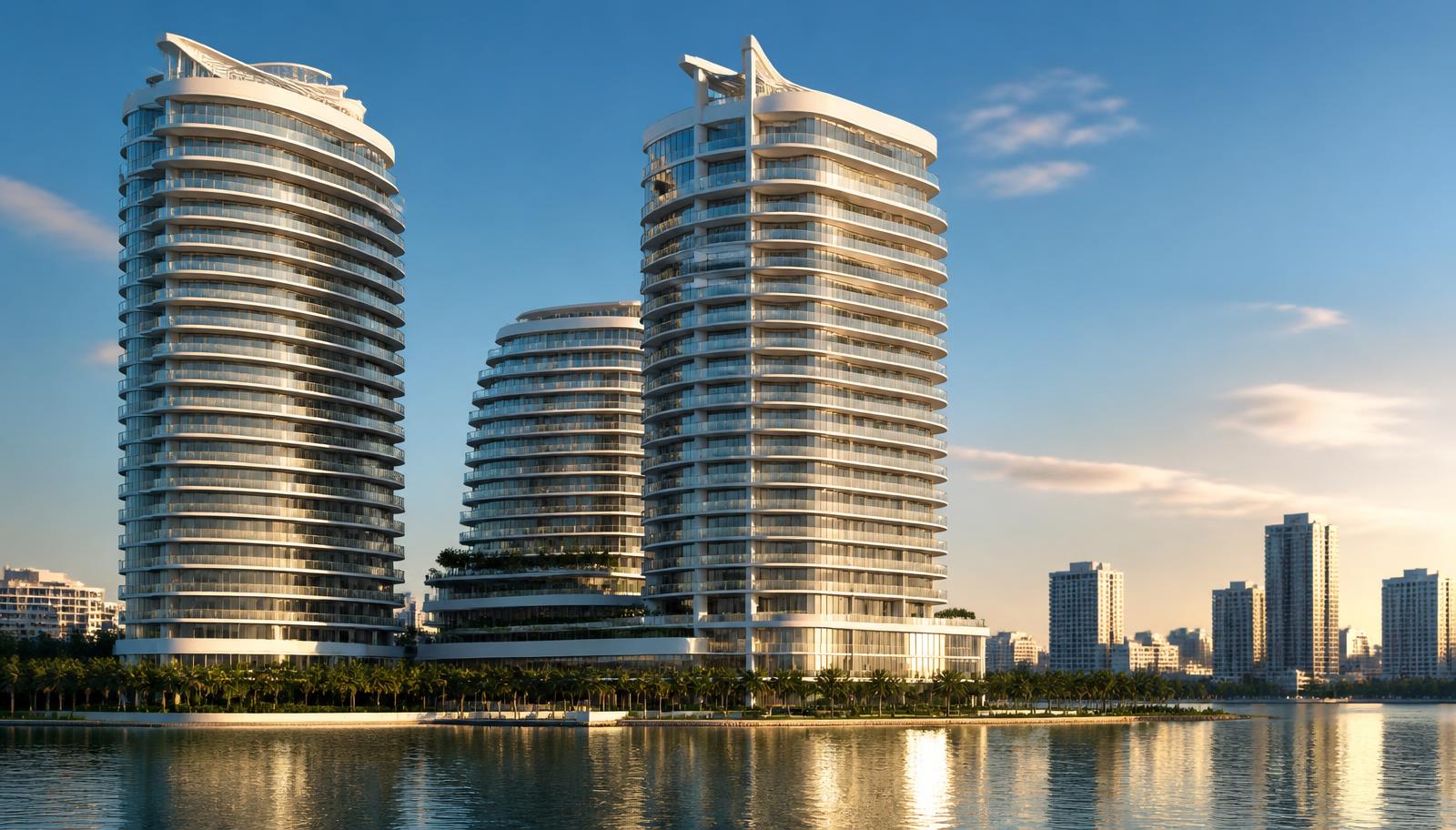
Water access adds value and adds diligence: seawall condition, dock and lift, water depth, bridge clearance to open bay, flood zone and insurance. Two houses on the same canal can offer very different boating access.
New Construction
Buying new construction is a different decision-making process from buying a resale property. There is no existing unit to inspect and no ownership history to review; instead you are evaluating a developer, a contract and a projected outcome.
Depending on the development, buyers typically evaluate:
- The developer, and what they have delivered before
- Development stage — early reservation, under construction or near delivery
- Deposit schedule and when each installment becomes due
- Estimated completion, and how delays are addressed contractually
- Contract terms, including what the developer may modify
- Unit orientation, floor, views and what could later be built nearby
- Finishes, appliance packages and what is actually included with the residence
- Amenities, and the estimated association costs to operate them
- Projected monthly assessments once the building is occupied
- Assignment and resale restrictions before closing, where applicable
Renderings, view simulations and amenity imagery are marketing material. They are not a substitute for reading the actual purchase documents and understanding the specific development. Because developer contracts are drafted by the developer, review by a real estate attorney is worth considering before deposits are committed. For deeper commercial discovery, see our Miami new developments overview.
Luxury Real Estate
At the upper end, supply is thin and each property is closer to unique, so comparables need interpretation rather than averaging. Privacy, architecture, water frontage and provenance drive value; see our overview of Miami luxury real estate.
What Costs Should Miami Buyers Plan For?
Costs vary by transaction, lender and property type, so treat this as a checklist to price out rather than a fixed formula.
- Purchase price and the escrow deposit held under contract
- Inspections: general, plus roof, mechanical, moisture, seawall or dock as applicable
- Appraisal when you are financing
- Financing costs: lender fees, prepaid interest and escrow reserves
- Title and closing charges: title work, settlement fees and recording
- Insurance: homeowner coverage, plus flood and wind where required
- Property taxes, prorated at closing and reassessed after purchase
- Condominium or HOA dues, often with the first payment due at closing
- Special assessments where an association has approved or is planning one
Ask for a written estimate of cash needed at closing as soon as you are under contract, and update it once insurance quotes come back — that figure moves more than buyers expect on older and waterfront properties.
Then look past closing. Ongoing ownership cost is where Miami properties separate most, and it may include the mortgage payment, property taxes, homeowners insurance, flood insurance where applicable, condominium or HOA fees, special assessments, maintenance, utilities, pool and landscaping expenses on some homes, and seawall or dock upkeep on waterfront property.
A $1 million condominium and a $1 million single-family home do not necessarily cost the same to own. The condominium may carry substantial monthly assessments and exposure to a future special assessment, while the house carries insurance, landscaping, pool service and full responsibility for the roof and systems. Two condominiums at the same price can also differ sharply — one building may be well funded with modest fees, another may be facing a large capital project.
The practical habit: for every shortlisted property, write down the estimated monthly and annual cost of owning it, not just the asking price. That single exercise changes which property most buyers ultimately choose.
What Should You Check Before Buying a Condo in Miami?
A condominium purchase is two evaluations: the unit, and the association behind it.
- Association finances, current budget and reserve levels
- Monthly fees and what they actually include
- Approved, pending or discussed special assessments
- Building condition, recent repairs and planned projects
- Structural and reserve-study information where applicable
- Association insurance coverage and deductibles
- Rental restrictions, minimum lease terms and approval process
- Pet rules, renovation rules and move-in requirements
- Parking and storage — assigned, deeded or licensed
Our dedicated guide to buying a condo in Miami walks through the document review and the questions worth asking the association directly.
What Should You Check Before Buying Waterfront Property in Miami?

- Seawall condition, height and maintenance responsibility
- Dock, pilings and lift condition, plus permits on record
- Water depth at low tide for the vessel you plan to keep
- Fixed bridges between the property and open water, and their clearance
- Route and time to Biscayne Bay or ocean access
- Flood zone, elevation and insurance requirements
- Orientation — sun, prevailing wind and afternoon glare
- Exposure to open bay versus a protected canal
Our overview of waterfront homes for sale in Miami covers how these variables differ across Miami's canals, islands and bayfront streets.
Can You Buy Property in Miami From Outside Florida?
Yes, and it is routine. Buyers out of state or abroad typically tour by video walkthrough, review documents electronically, have a representative attend inspections, and close without traveling.
- Video tours and follow-up walkthroughs on shortlisted properties
- Electronic contracts, disclosures and association documents
- Inspection scheduling and attendance handled locally
- Remote closing through electronic or notarized signing, depending on the file
- Financing prepared in advance, including documentation for non-resident programs
- Local representation coordinating the title company, insurer and association
For the mechanics, see how real estate closings work remotely in Florida and our guide to buying Miami property from outside the United States.
Questions to Ask Before Buying a Miami Property
- How does the price compare with recent similar sales?
- What will the total monthly ownership cost be?
- Are there pending special assessments?
- What insurance should I investigate?
- Are there material property-condition issues?
- Are there open permits that should be investigated?
- What renovation or rental restrictions apply?
- What factors could affect future resale demand?
- For waterfront property, what should I know about the seawall, dock and water access?