Remote Miami Seller Guide
How to Sell Your Miami Property Remotely
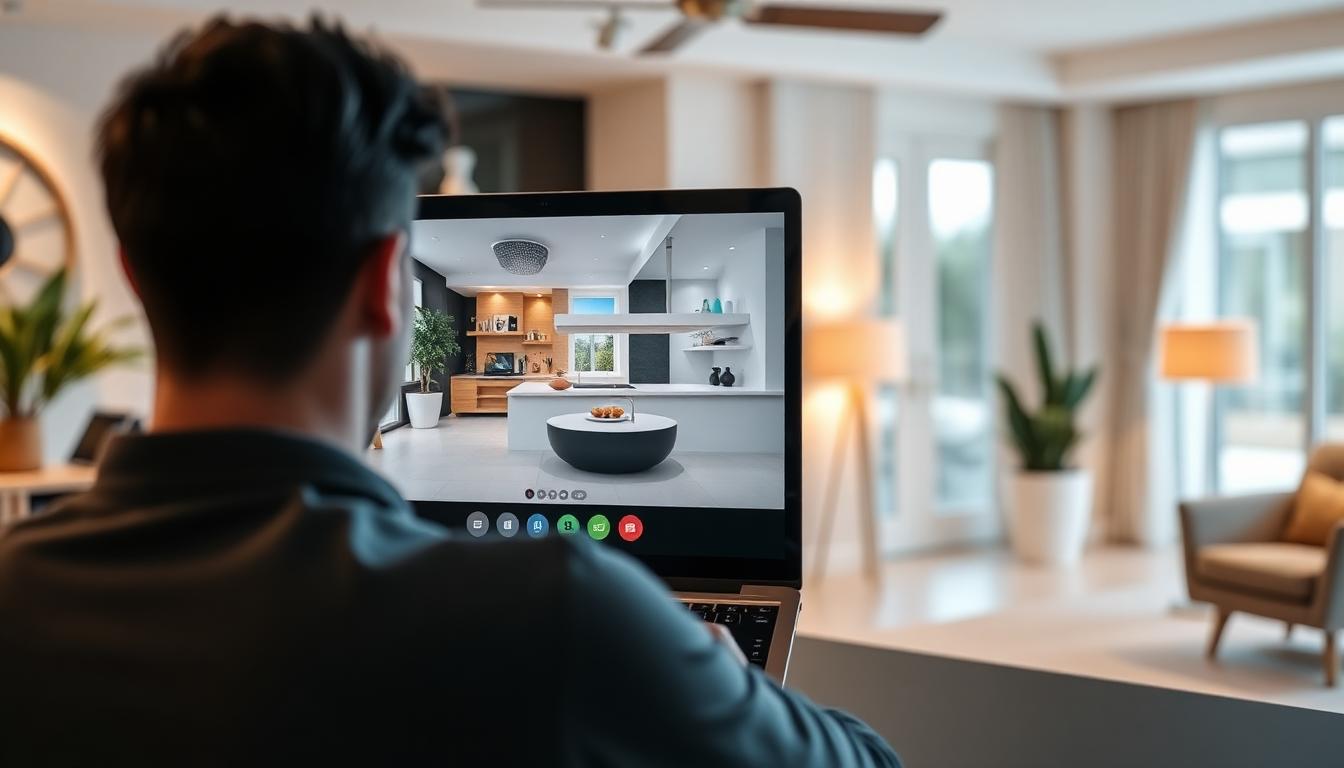
Can You Sell Miami Property Remotely?
Yes. A Miami property sale can often be managed while the owner is in another state or country. The key is establishing local control of the property so preparation, photography, showings, inspections, appraisal, repairs and closing requirements can be coordinated without the seller being physically present for every step.
That sentence is the whole article. Distance is not the obstacle sellers imagine it to be; the obstacle is an unattended property. Everything below is about closing that gap — who opens the door, who prepares the property, which documents get assembled, and how the closing will actually be executed. If you want representation rather than a reading list, our Miami seller representation covers the general process and selling Miami property from abroad covers owners outside the country.
The Four Things a Remote Miami Sale Needs
Most remote sales that go smoothly have the same four things established early. Most that stall are missing one of them.
- 01
Property control
- Access
- Coordination
- 02
Property readiness
- Condition
- Presentation
- 03
Document readiness
- Ownership
- Transaction
- 04
Closing readiness
- Execution
- Proceeds
1. Property Control
The first question is simple: who can be at the property when something physically needs to happen there? That covers photography, showings, the buyer's inspection, an appraisal where financing requires one, contractors and repairs, building access where applicable, and the final walkthrough.
2. Property Readiness
Condition and presentation still decide how the property competes. Depending on the property this can involve cleaning, decluttering, repairs where appropriate, staging where appropriate, landscaping where relevant, utilities remaining on, removal of personal property, and reliable access.
Staging may help buyers better understand a property's scale, layout and potential use, but the appropriate presentation strategy depends on the property, condition, price point and likely buyer. A furnished waterfront house and an empty studio are not the same problem.
3. Document Readiness
Requirements are transaction-specific, and not every seller needs every item. Depending on the sale, what may be requested includes ownership and title information, mortgage or payoff information where applicable, association or condominium information where applicable, permits or property records where relevant, seller identification, entity documentation where applicable, FIRPTA or tax documentation where applicable, and closing information.
4. Closing Readiness
Closing readiness means knowing, before the deadline pressure starts, how documents may be executed given the seller's location, what the closing and title professionals require, whether FIRPTA applies, where net proceeds will be sent, whether a power of attorney is appropriate and accepted, and how the timeline will be coordinated across time zones.
How Does a Remote Miami Property Sale Work?
The sequence below is the working spine of a remote sale. Steps overlap in practice, and timing varies by property and contract, but the order rarely changes.
- 01Value the property
- 02Create local control
- 03Prepare the property
- 04Launch marketing
- 05Manage showings
- 06Review offers remotely
- 07Inspection and appraisal
- 08Handle repairs and access
- 09Prepare seller documents
- 10Address FIRPTA if applicable
- 11Final walkthrough
- 12Remote closing
- 13Net proceeds
Step 1: Determine the Property's Current Miami Market Position
A remote seller should not rely on an old purchase price, online estimate or outdated understanding of the neighborhood. Pricing should reflect recent comparable sales, current competition and the property's present condition. Property type, the specific building or street, views where relevant, the lot where relevant and waterfront characteristics where relevant all feed the same analysis.
Current Miami market conditions can help determine how the property should be priced and positioned when it goes to market, and a home valuation is where an owner who has been away should start. Pricing and presentation strategy in more depth lives in selling a Miami house for maximum value.
Step 2: Establish Local Control of the Property
Someone needs to coordinate physical access. Depending on the property this may involve keys and access systems, building management, a front desk or security, vendors, the photographer, buyers' agents, inspectors, an appraiser, contractors and closing-related access. Supreme Capital coordinates access as part of the transaction; it does not act as a property manager.
Step 3: Prepare the Property for Market
Preparation is practical work: condition assessment, cleaning, removal of personal belongings, repairs where appropriate, presentation, staging where appropriate, landscaping for houses where relevant, balconies and outdoor spaces where relevant, lighting, and access for everyone doing the work. Video walkthroughs with the seller during this phase keep decisions aligned without travel.

Step 4: Launch the Property on the Market
Launch covers professional photography, accurate property presentation, listing copy, digital marketing, MLS distribution where applicable and property-specific positioning. For luxury property, presentation and positioning may require a different approach — different photography, different pacing and a narrower buyer pool. Exposure is not a promise of price; it is how the right buyers find the property.
Step 5: Manage Showings Without Being in Miami
Showings depend on access, building procedures, occupancy status, notice requirements and property condition, with feedback reported back to the seller. For condominiums, building access and front-desk procedures may matter more than anything else. For houses, keys, gates, alarms and the property's day-to-day condition tend to be the practical issues.
Step 6: Review and Negotiate Offers Remotely
Offers are reviewed on more than price: offer price, financing or cash structure, deposit, inspection terms, financing contingency where applicable, closing date and other material terms. Negotiation is handled digitally, with the seller approving each position.
Step 7: Coordinate Inspection and Appraisal
The seller does not generally need to be physically present for these appointments, but local access must be coordinated. That can include the general inspection, specialists where necessary, an appraisal if the buyer's financing requires one, and building access where applicable. Scheduling depends on the contract and the parties involved.
Step 8: Handle Repairs and Property Access
If work is negotiated or needed, quotes, access, vendor scheduling, completion and documentation may need to be coordinated locally. The seller approves decisions remotely; licensed vendors perform the work. Supreme Capital coordinates and reports — it does not provide construction management or property management services.
Step 9: Prepare Seller and Property Documents
Document preparation runs alongside the contract period rather than after it. For condominiums this may include building or association coordination. For foreign sellers, tax and documentation questions should be reviewed early with the appropriate professional; what is different for a non-resident owner is outlined in can foreigners sell property in Florida.
Step 10: Address FIRPTA if It Applies
Foreign sellers should determine early whether FIRPTA applies because withholding requirements can affect closing proceeds and seller tax documentation. The federal framework is published by the IRS in its FIRPTA withholding guidance.
Rates, thresholds, exceptions, withholding certificates, reduction applications and refund mechanics are deliberately not restated here; they belong to the FIRPTA guide for foreign sellers. Whether FIRPTA applies to a specific seller is a determination for a qualified tax professional.
Step 11: Prepare for the Final Walkthrough
The seller may be remote, but the property needs to be ready for contractual closing requirements — condition, agreed repairs, removal of remaining personal property and access at the scheduled time. What is required is set by the contract, not by custom.
Step 12: Complete the Closing
The appropriate execution method depends on the seller's location, the documents involved, the closing and title professional, notarization requirements, lender or payoff requirements where applicable and the transaction's own requirements. Florida does recognize online notarization under section 117.209, Florida Statutes, but availability in a specific file is a matter for the closing professionals.
A power of attorney may be usable in some transactions, but it should be reviewed and accepted in advance by the appropriate closing, title and other required parties; its use in Florida is governed by Chapter 709, Florida Statutes. RON, eClosing, hybrid closings, wet signatures, international execution, apostille and consular questions are all covered in depth in how real estate closings work remotely in Florida. Confirm the intended method early rather than assuming it will be available.
Step 13: Receive Net Sale Proceeds
After closing costs, payoffs where applicable, FIRPTA withholding where applicable and other closing obligations, the seller receives the remaining net proceeds. If proceeds are sent internationally, banking and compliance procedures can vary by institution and transaction, so timing should be confirmed with the closing professional rather than assumed.
Does the Remote Sale Process Change for a Condo, House or Waterfront Property?
The basic sale process is similar, but the local coordination and due diligence can differ significantly by property type.
Remote Miami condo sale
Unit
Building
Association
Access
Competing units
Front-desk procedures, association requirements, assessments where applicable, building documentation where applicable, and building factors that can affect buyer financing.
Remote Miami house sale
House
Lot
Condition
Access
Current competition
Landscaping, pool where applicable, utilities, exterior condition, vendor access and the condition of a vacant property between showings.
Remote waterfront sale
- The residence itself, condition and presentation
- Property
- Water frontage characteristics where applicable
- Waterfront
- Dockage and water access where applicable
- Access
- Seawall and shoreline condition where applicable
- Shoreline
- Records and disclosures specific to the property
- Documentation
For luxury property, presentation, positioning, privacy, showing coordination, the size of the qualified buyer pool and negotiation posture all change the working method rather than the process itself. That is treated separately in selling a luxury home in Miami.
What If the Remote Seller Lives Outside the United States?
The remote-sale process is fundamentally the same. An international seller may have additional tax, FIRPTA, identification, document-execution and international banking considerations layered on top of it.
Eligibility and what is actually different for a non-resident owner are covered in can foreigners sell property in Florida, and how documents are signed and closed from another country is covered in how real estate closings work remotely in Florida.
Why Local Coordination Matters in a Remote Sale
A remote sale needs local control. Someone in Miami must coordinate access, preparation, showings, the inspection, an appraisal where applicable, repairs, the final walkthrough and transaction communication — and must do it on the contract's schedule, not on a convenient one.
Who Handles What in a Remote Sale?
Professional roles
- Pricing, marketing, showings, offers, transaction coordination
- Real estate broker
- Title, settlement, closing documents, closing funds
- Title / closing professional
- Property-specific work and reporting
- Inspector / appraiser / contractors
- FIRPTA and tax issues where applicable
- CPA / tax professional
- Legal issues where appropriate
- Attorney
Building a Remote Sale That Does Not Stall
Remote sales rarely stall for dramatic reasons. They stall because something ordinary was not arranged in advance — nobody could open the door, a document was missing, or the signing method was never confirmed. The checklist below is what prevents that.
- Access ready: a designated local point of contact and a working entry method.
- Documents ready: ownership, payoff and association information assembled before listing.
- Property ready: condition, presentation and utilities handled before photography.
- Closing method discussed early with the closing and title professional.
- FIRPTA identified early where applicable, with the seller's tax professional involved.
- Communication clear: agreed channels and realistic response windows across time zones.
- Deadlines tracked against the contract calendar rather than reconstructed later.
Timing itself is not one number. Preparation time, market time, under-contract time and closing time are four separate clocks, and they are covered in how long it takes to sell a house in Miami.
Ready to Sell Your Miami Property Remotely?
You do not need to manage every physical detail from another city or country. The key is establishing local control of the property, preparing it correctly, coordinating access, managing the transaction and addressing closing requirements early.
The team at Supreme Capital Real Estate handles the Miami side of that work and coordinates with your closing and tax professionals on the rest.
Related Seller Guides
- Can foreigners sell property in Florida?
- Selling a Miami property from abroad
- How real estate closings work remotely in Florida
- FIRPTA explained for foreign sellers
This article is general information about the real estate process and is not tax, legal or immigration advice. Closing requirements, FIRPTA determinations and legal questions should be addressed with the appropriate licensed professionals.