
Buy Property in Miami as an International Buyer
Purchase Miami real estate with local representation for property search, market analysis, negotiations, inspections and closing — whether you are in another state or another country.
Request a Consultation
Tell us where you are and what you would like to own in Miami. Private, no obligation.
Buying Miami Property From Abroad or Out of State
International and out-of-state buyers can own Miami real estate, and most of the purchase can be handled without being physically present. Supreme Capital Real Estate Agents Miami represents buyers through neighborhood and property selection, comparable-sales analysis, live virtual tours, offer and negotiation strategy, inspections, association review and closing coordination — for second homes, vacation residences, primary homes and long-term ownership across Miami-Dade County.
Most of our clients are not standing on the property when they decide to buy it. They are in São Paulo, Bogotá, Mexico City, Madrid, Toronto or New York, and they want someone in Miami who will look at the building, walk the street, read the comparable closings and tell them plainly whether the property is worth the price. That is the work described on this page. If you are still researching eligibility and requirements, our guide on whether foreign nationals can buy property in Miami covers that ground, and Miami buyer representation covers domestic purchases.
International Buyer Representation in Miami
Buying from a distance removes the informal checks a local buyer takes for granted — the second visit, the neighbor conversation, the drive through at night. Our role is to replace those checks with documented work you can review before committing capital.
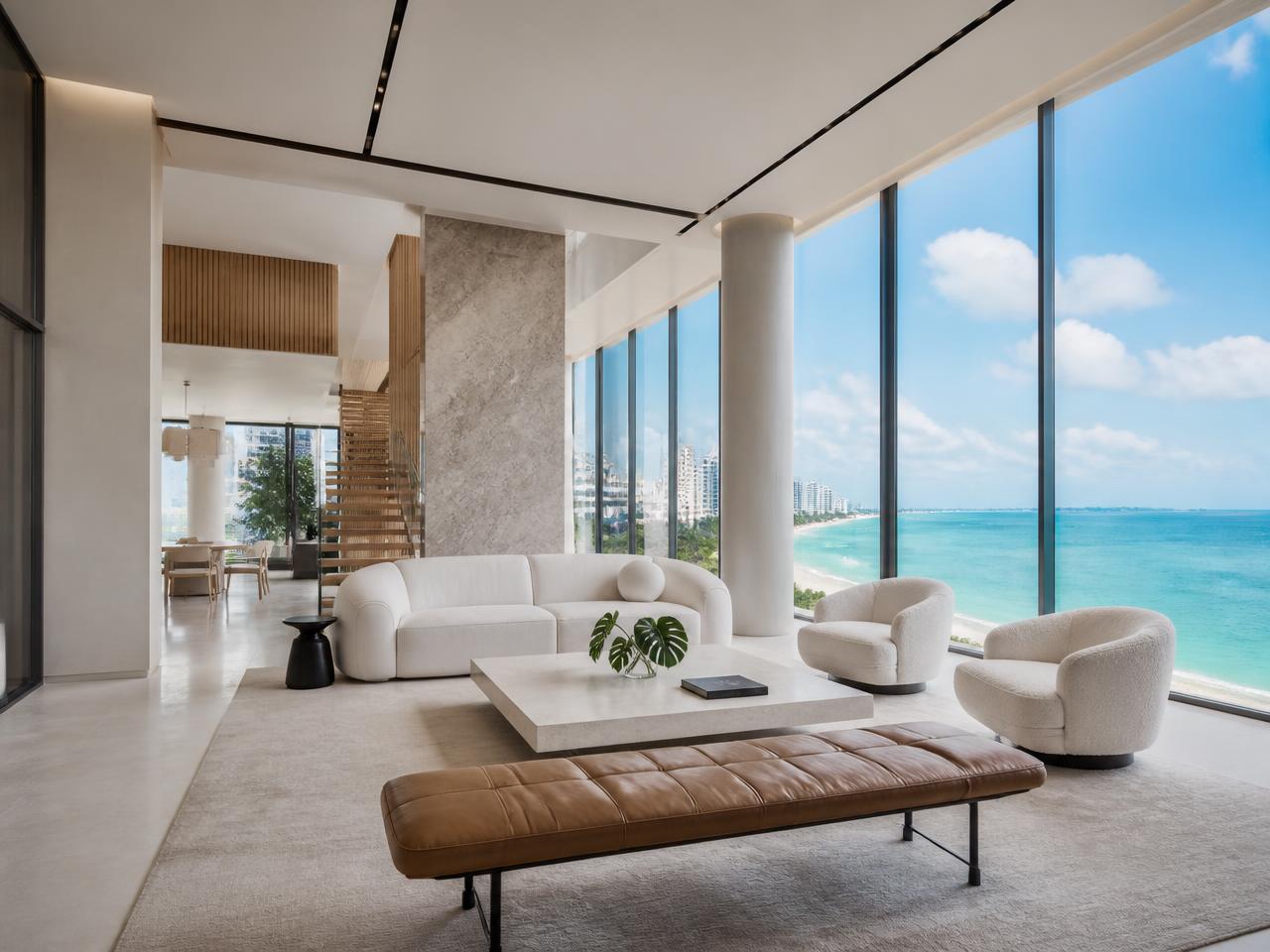
Property Search & Market Analysis
We begin with what you actually want the property to do: a place to stay several weeks a year, a home for family visits, a residence you may move into later, or an asset held long term. From there we narrow location and property type, then work through current inventory building by building and street by street. Every shortlisted property comes with recent comparable sales, days on market, price history, construction quality notes and an honest read on resale appeal — including the properties we recommend against.
Virtual Tours & Local Property Evaluation
We visit shortlisted properties in person and record unedited video walkthroughs, then hold live tours by video call so you can direct the camera and ask questions in real time. We film what listing photography usually leaves out: the actual view line from the terrace, ceiling heights, finish condition, noise from the street or expressway, the parking garage, the lobby and amenity condition, and what stands immediately next door or is under construction across the road.
Offer & Negotiation Strategy
Before an offer is written we agree on price, deposit structure, inspection and financing contingencies, closing timeline and the walk-away threshold. Time-zone differences are planned for rather than improvised, so responses go out inside the deadlines Florida contracts impose. Negotiation continues through inspection responses and, where financing is involved, appraisal outcomes.
Inspections, Title & Closing Coordination
We schedule and attend inspections, arrange property access, and follow up on the findings that matter. Title work, condominium or homeowner association documents, estoppel letters, insurance quotes, lender requirements where applicable and closing logistics are tracked in one place, with documents delivered for electronic signature and remote notarization where the transaction allows it.
Supreme Capital Real Estate Agents Miami provides real estate brokerage services. We coordinate closely with the attorneys, CPAs, title companies and lenders on your file, but legal and tax advice comes from those licensed professionals — see our overview of taxes for foreign property buyers in Florida for background before those conversations.

Buying a Second Home, Vacation Home or Long-Term Property in Miami
A large share of international purchases in Miami are lifestyle decisions first. The buyer wants a base in the city — somewhere to spend winter weeks, host family, keep a car and a wardrobe, and return to without booking anything. The property is also a tangible asset held in dollars, but it is chosen because someone intends to use it.
That changes what matters in the search. Lock-and-leave buildings with full management, hurricane-rated glass and staffed lobbies suit owners who are away for months at a time. Families weigh bedroom count, schools nearby and outdoor space more heavily than amenity lists. Buyers who plan to spend part of the year here often prefer a neighborhood with walkable daily life over a purely resort setting.
Many owners rent the property while they are away. That is possible in a great many Miami buildings and impossible in others, so lease rules are checked property by property before an offer — the section on ownership costs and rental flexibility below explains what we review. For newly built residences, Miami new developments is the place to start, and Miami luxury real estate covers the upper end of the market.
Explore Miami Properties
Live listings from the Miami MLS, updated continuously. Save what interests you and we will send comparable sales, building notes and lease rules for each one.
Where International Buyers Purchase Property in Miami
There is no single right neighborhood — the fit depends on how much you will use the property, whether you want a house or a serviced building, and how much of the year it sits empty. These are the areas international clients ask about most often.
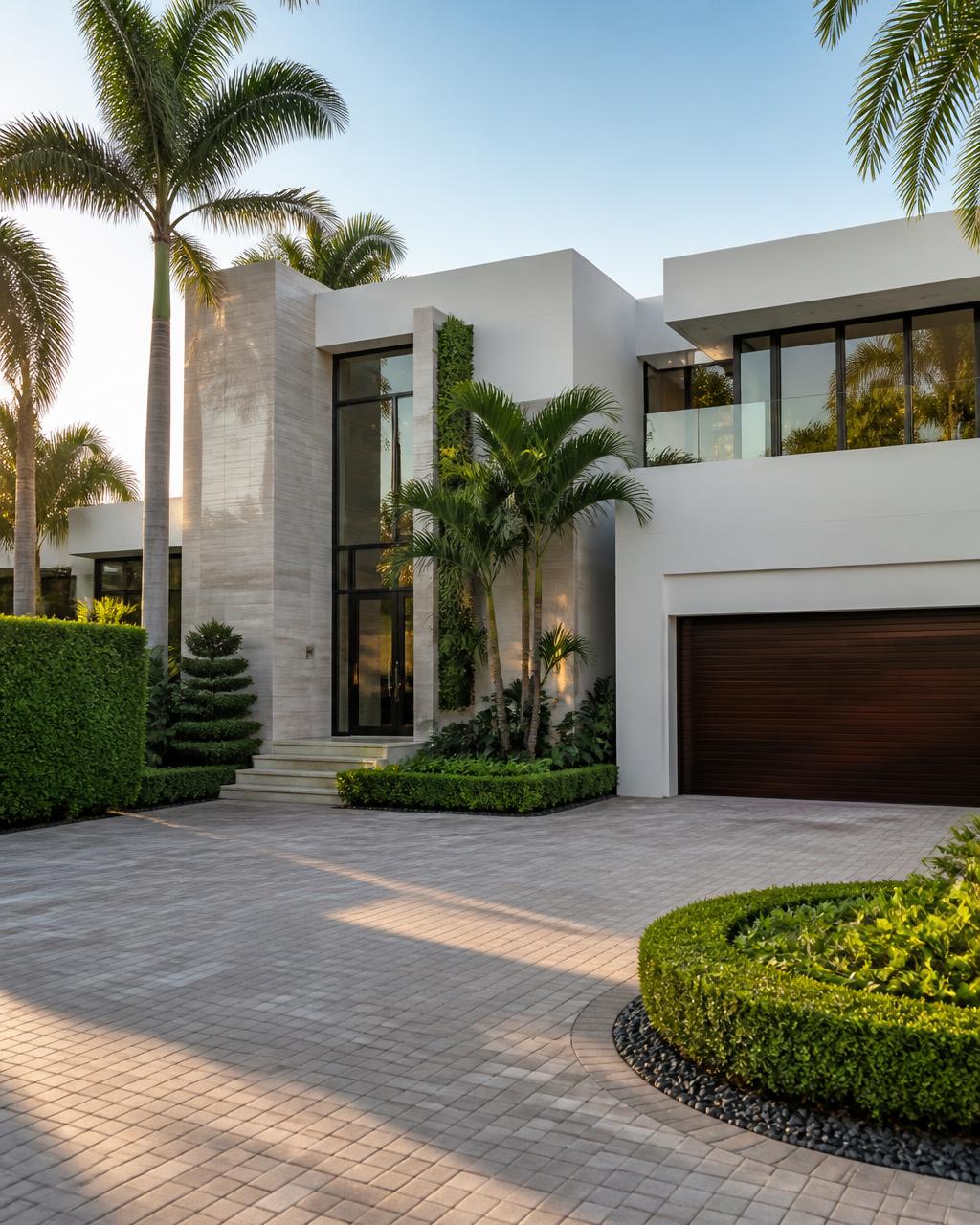

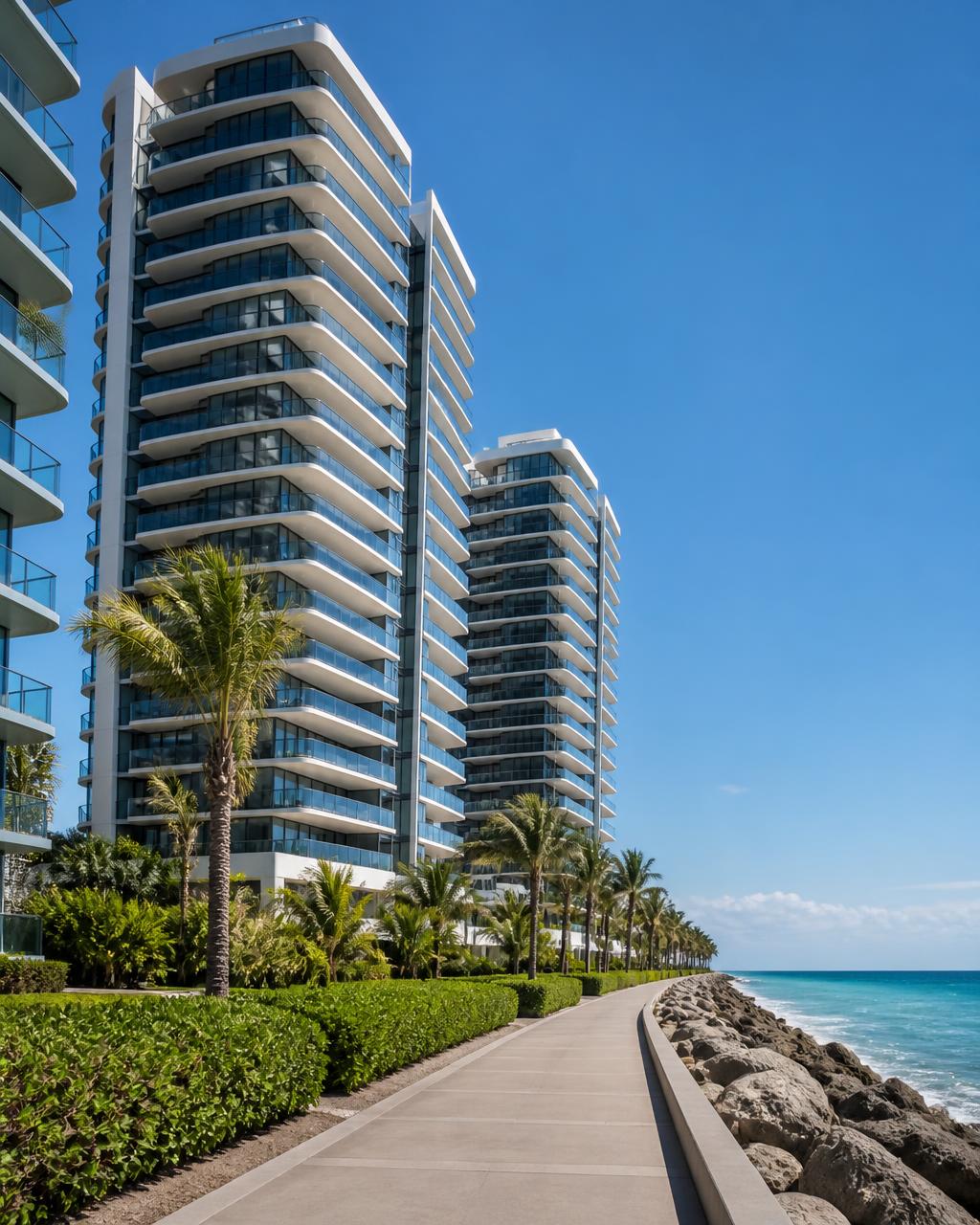
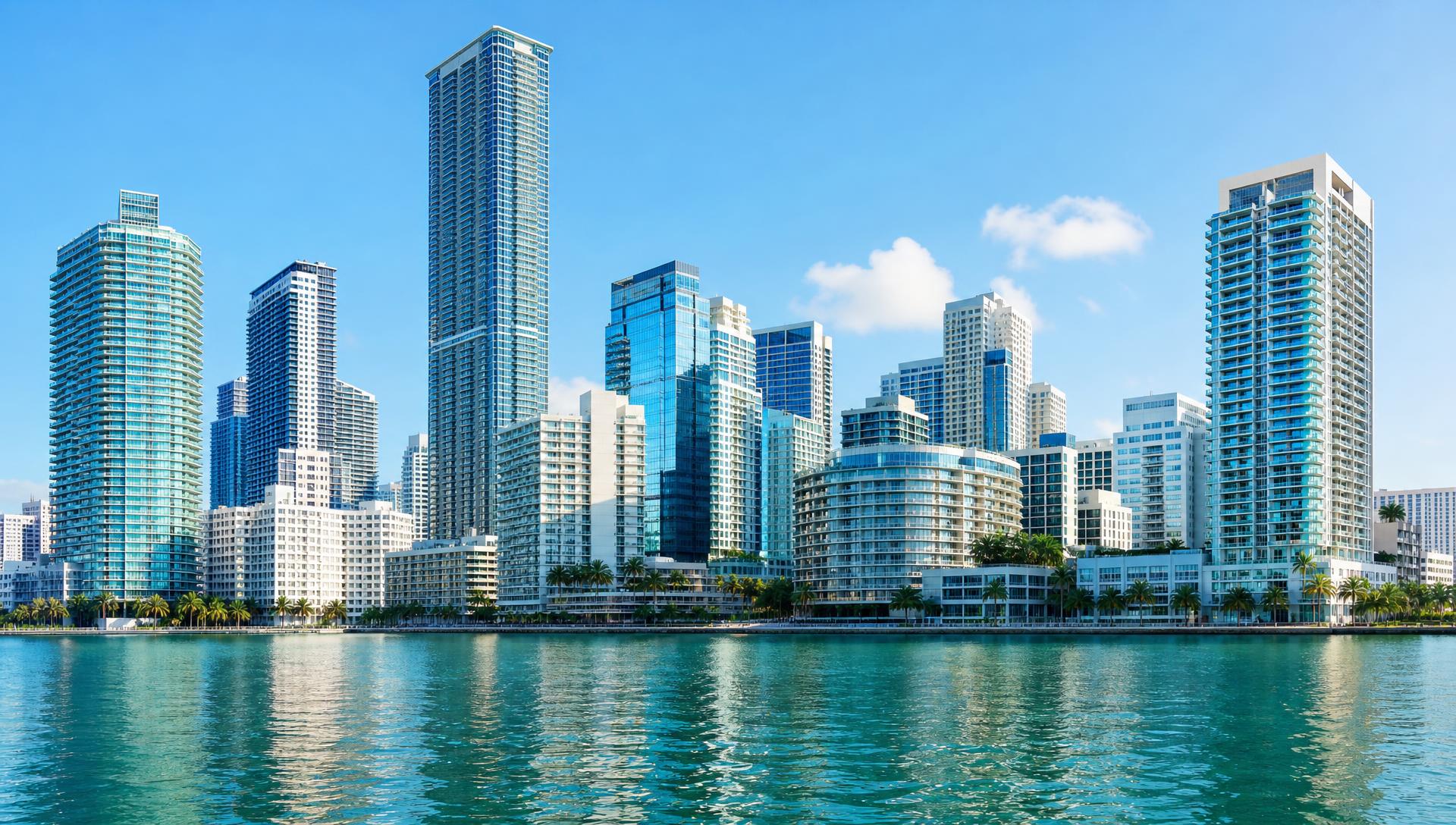

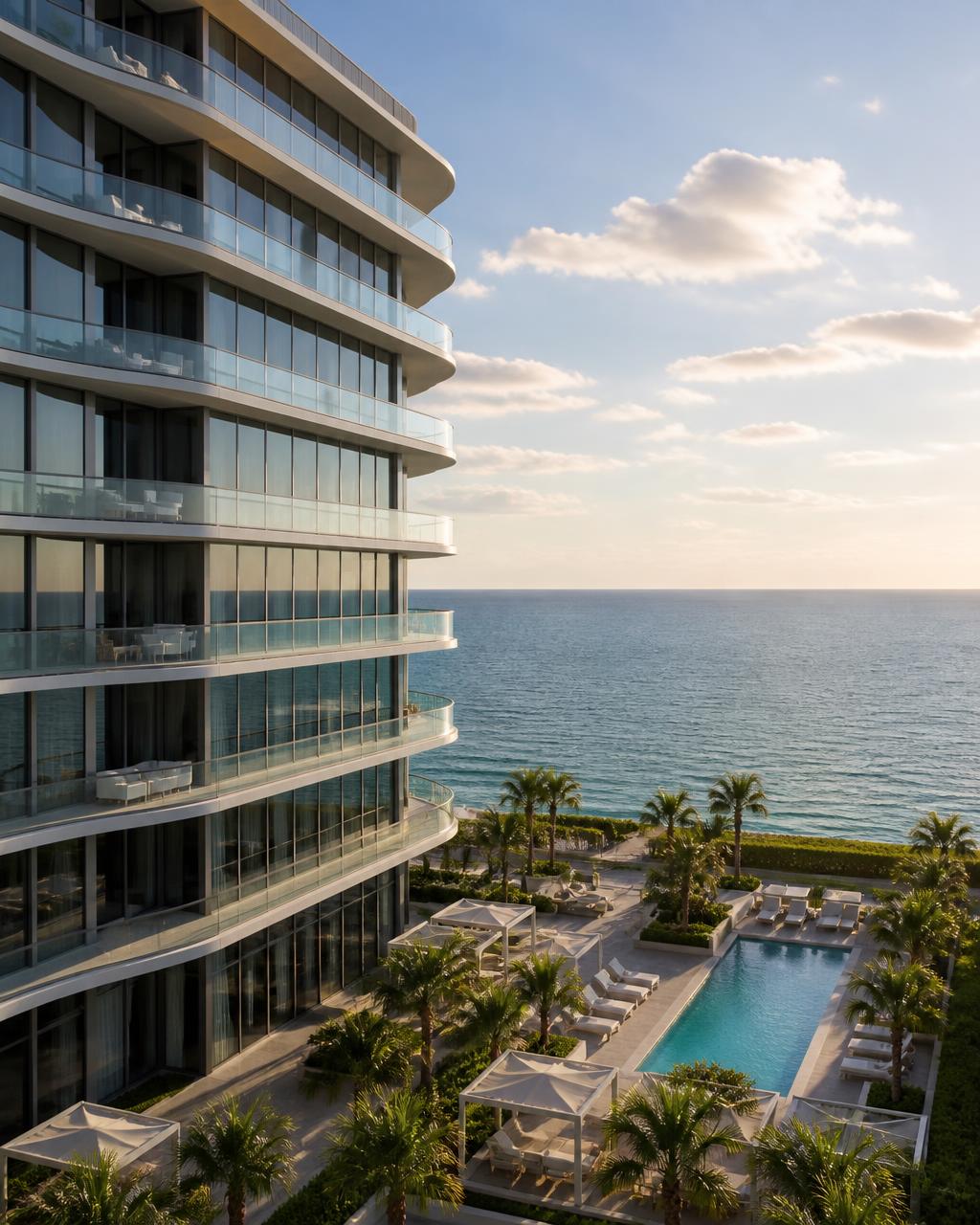
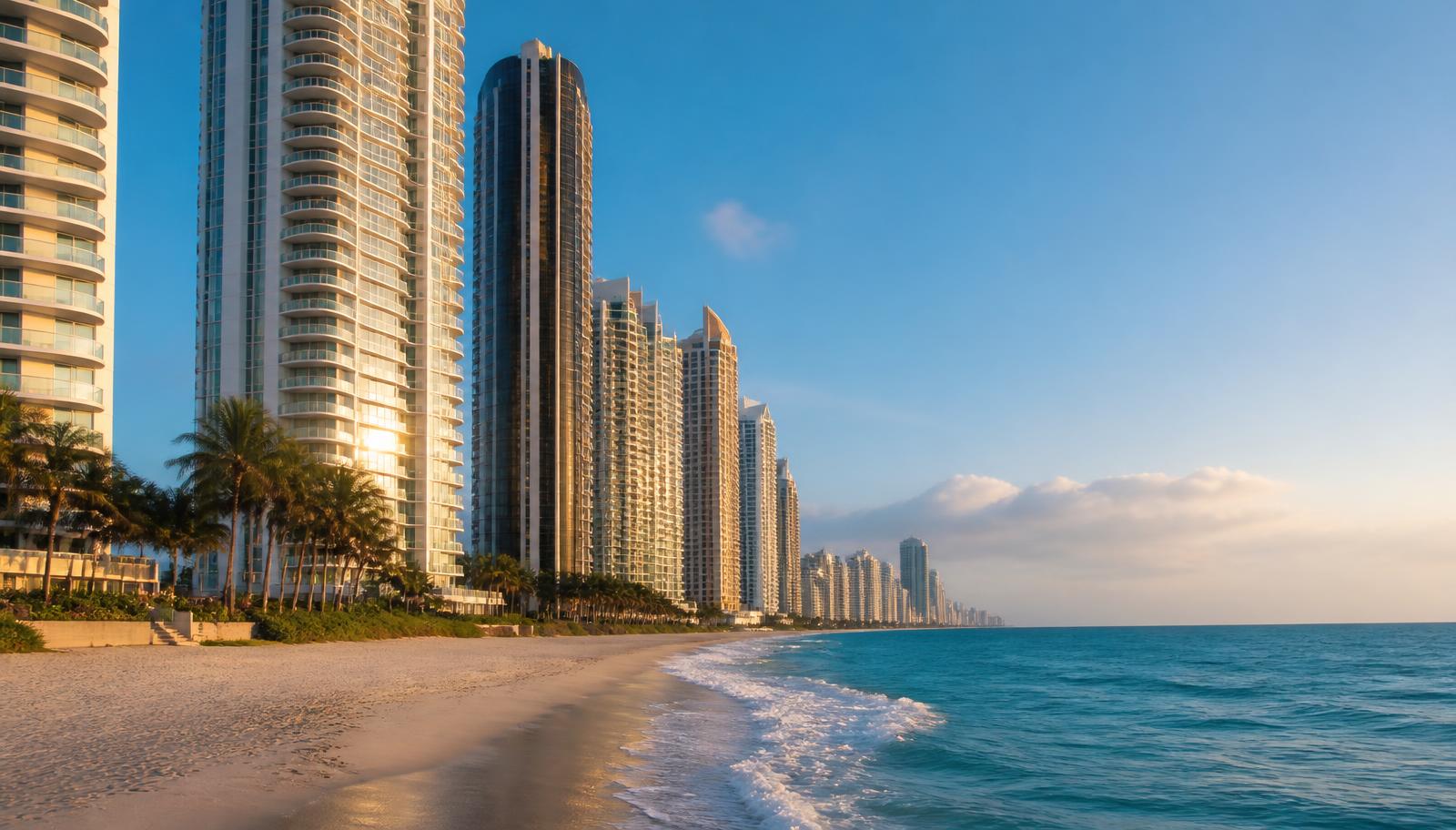
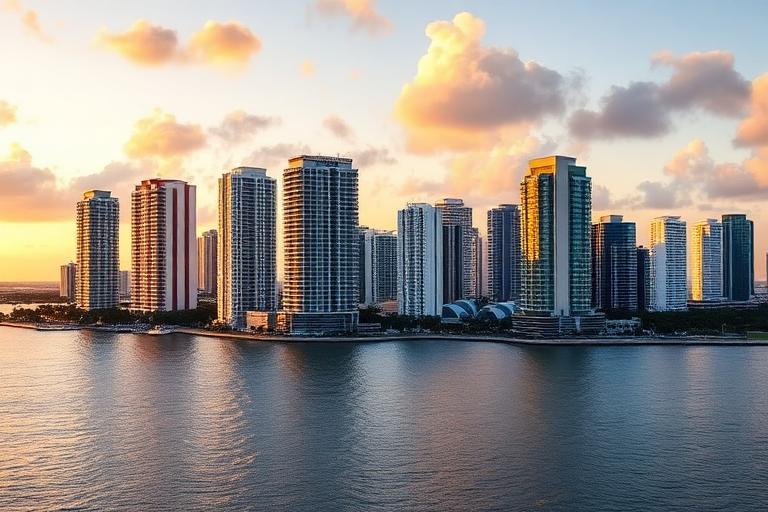
Every Miami neighborhood we cover has its own page with property types, lifestyle detail and current listings in the Miami communities hub. If you are weighing one area against another for a long hold, the best areas in Miami for international investment compares them in more depth.
The Miami Buying Process for International Clients
The sequence below is the same one a local buyer follows, with the tours, signatures and closing adapted so nothing requires you to be in Miami on a specific day.
- 01
Define objectives
Use case, budget, timing, how much of the year you expect to be here, and whether the property may be rented while you are away.
- 02
Identify areas and property types
We narrow to two or three neighborhoods and a property profile — house, condominium, new construction or waterfront.
- 03
Review current inventory
A curated shortlist with pricing context, building notes and the properties worth ruling out early.
- 04
Tour virtually or in person
Recorded walkthroughs and live video tours, with in-person visits scheduled around your travel when you prefer.
- 05
Analyze the property
Comparable closings, price history, association financials, assessments, insurance considerations and resale outlook.
- 06
Write the offer
Price, deposit, contingencies and closing date structured for your situation and, if applicable, your lender's timeline.
- 07
Negotiate
Counteroffers, inspection responses, repair credits and appraisal outcomes handled on your behalf.
- 08
Inspect and review title
Inspections attended locally, title commitment reviewed, association documents and estoppel letters gathered.
- 09
Arrange funds or financing
Wire instructions verified directly with the title company; lender conditions tracked to clear-to-close where financing is used.
- 10
Close
Documents executed electronically or with remote notarization where available, keys and access coordinated after recording.
A cash purchase can move from accepted offer to closing in roughly two to four weeks; with financing, four to eight weeks is more typical. Step-by-step detail on documents and requirements is in our guide to buying property in Miami from outside the U.S.
Buying Miami Real Estate Remotely
A remote purchase works because someone local performs the parts that cannot be done from a screen. We tour and film the property, meet the inspector on site, verify access, collect association documents and confirm wire instructions directly with the title company rather than by email chain.
On your side, most of the process is electronic. Contracts and disclosures are signed digitally, funds are wired from your bank, and closing documents can often be executed with remote online notarization or through a notary and, where appropriate, a limited power of attorney.
For the full mechanics of a distance closing, see how real estate closings work remotely in Florida.

Explore Current Miami Properties
A second live view of the market. Tell us which listings you want reviewed and we will report back on the building, the pricing and the lease rules before you travel.
Understanding Ownership Costs and Rental Flexibility
Purchase price is only part of the decision. Annual property taxes in Miami-Dade County generally fall around the low-two-percent range of assessed value, and a property without a homestead exemption is assessed differently from an owner-occupied primary residence. Insurance — windstorm and, in some locations, flood — varies widely by construction year, elevation and roof age, and is worth quoting before you are under contract, not after.
Condominium and homeowner association dues cover management, insurance on the structure, amenities and reserves. Florida buildings are also subject to structural inspection and reserve-funding requirements, which means special assessments are a real line item to investigate. We read the association's budget, reserve study, meeting minutes and any pending assessment before an offer is finalized. Houses carry their own costs: landscaping, pool service, roof and seawall maintenance where applicable.
Rental flexibility is property-specific and must be verified individually. Some buildings permit leases of three months or longer, others require twelve, some allow only one or two leases per year, and short-term rental is prohibited or heavily restricted in many buildings and residential municipalities regardless of what the wider market permits. If renting while you are away matters to you, we screen for it from the first shortlist rather than discovering the restriction during due diligence.
Buying With Cash or Financing
Many international purchases in Miami are all-cash, which shortens the timeline, removes appraisal and financing contingencies, and generally strengthens an offer against competing bids. Funds are wired to the title company's escrow account, with instructions verified by phone directly with the closing agent.
Financing is also available to non-resident buyers through foreign-national loan programs, and some buyers use it deliberately to keep capital liquid rather than out of necessity. Expect a larger down payment, documentation from your home country, and a longer path to closing because of appraisal and lender conditions. Rates and terms differ from those offered to U.S. residents.
Program requirements, documentation and lender types are covered in financing options for foreign buyers in Miami. We structure the offer around whichever route you choose and coordinate with your lender through closing.

Long-Term Ownership and Appreciation Potential
Nobody can promise what a property will be worth later, and we do not. What we can do is weigh the characteristics that have historically supported demand in Miami: location and proximity to water, scarcity of comparable inventory, lot size and frontage, view lines that cannot be built out, construction and finish quality, the reputation and financial health of the building, and the neighborhood's trajectory.
Future supply matters as much as present condition. A condominium with several towers approved nearby competes with new inventory on resale; a house on a street where nothing comparable trades for years does not. Rental flexibility, floor plan practicality and ease of resale to the next buyer are part of the same assessment.
For owners holding through market cycles, that analysis is the substance of the engagement — and it is written down, so the reasoning is available to you at resale as well as at purchase.
Why Local Representation Matters When Buying From Abroad
Miami is not one market. Pricing, insurance exposure, association health and rental rules change block by block and building by building, and none of that is visible in a listing portal. A local broker who has been inside the buildings and read the association files is the difference between buying what a photograph shows and buying what the property actually is.
Supreme Capital Real Estate Agents Miami represents buyers in English, Spanish and Portuguese, and works on your time zone rather than ours. Call 305-515-5714 or send the form above and we will start with the areas and property types that fit what you want to own.
International Buyer FAQs
How can an international buyer purchase property in Miami?
The path is the same as for a domestic buyer, with a few additions. You define objectives and budget, engage a local broker, shortlist and tour properties, submit an offer, complete inspections and title review, transfer funds, and close. International buyers typically also obtain a U.S. tax identification number for reporting purposes and may hold the property through an entity for estate-planning reasons — decisions to make with an attorney and a CPA. Eligibility itself is covered in our guide on whether foreign nationals can buy property in Miami.