Miami Real Estate
Do You Need to Be Present to Sell Property in Miami?
Quick Answer
Explaining whether sellers must be physically present to sell Miami real estate — remote notarization, power of attorney, and electronic closing options.
Owners acting on this guidance move forward through our Miami property selling services.
Florida's Remote Closing Framework
Florida has been at the forefront of enabling remote real estate transactions. The state's electronic notarization laws, combined with federal acceptance of electronic signatures under the ESIGN Act, create a comprehensive legal framework that allows property sales to be completed entirely without the seller's physical presence. For a detailed walkthrough of the technology and process involved, see our guide on how real estate closings work remotely in Florida.
This framework benefits all remote sellers, but it is particularly valuable for international property owners who face the additional cost and logistics of international travel. Sellers from Latin America, Europe, and Canada regularly complete Miami property sales from their home countries. For the complete process of selling from abroad — including marketing, negotiations, and tax obligations — our guide on how to sell property in Miami from abroad covers every detail.
Remote Online Notarization (RON)
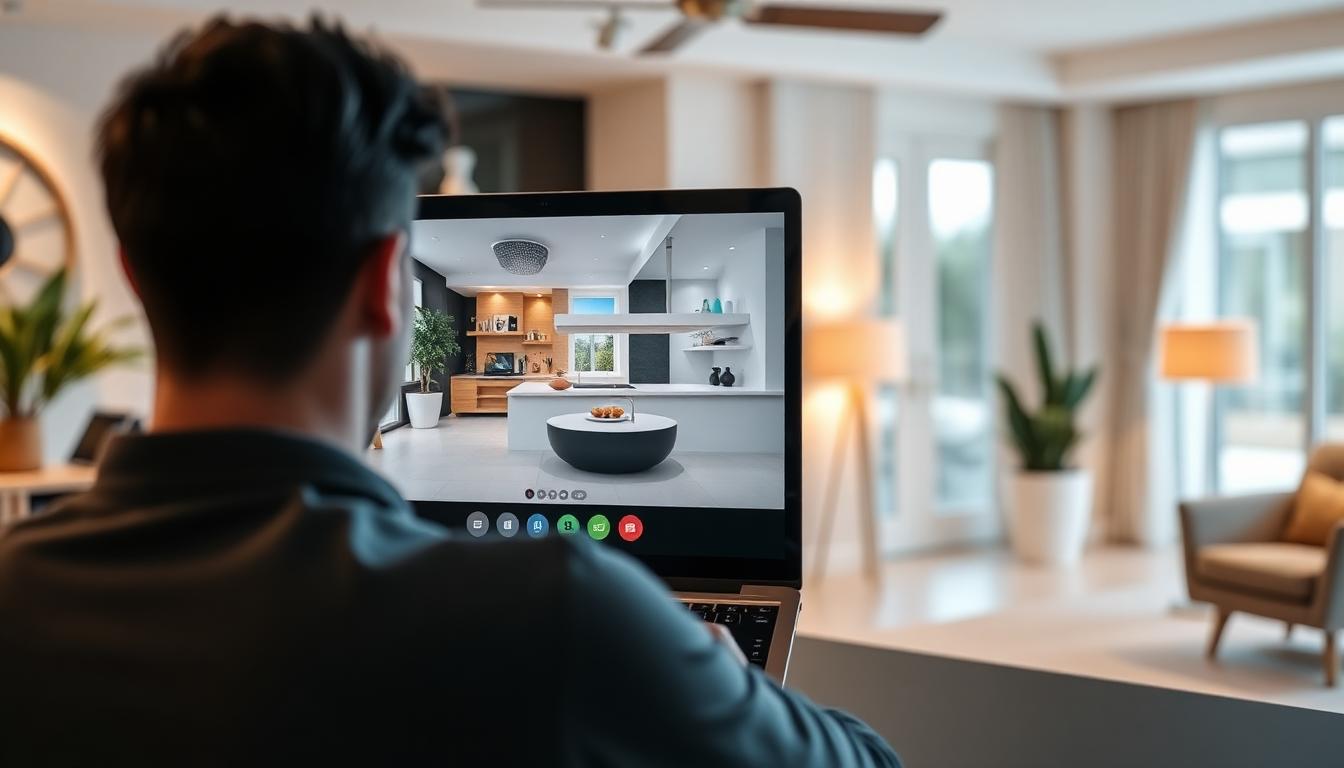
Remote online notarization allows sellers to sign and notarize closing documents through a secure video conference with a licensed Florida notary public. The notary verifies the seller's identity using knowledge-based authentication (questions drawn from public records that only the seller should be able to answer) and credential analysis (verification of a government-issued ID).
The entire RON session is recorded and archived for compliance purposes. The notary applies their electronic seal and signature to the documents, which are then recorded with the county. RON sessions can be conducted from any location with a reliable internet connection and a device with a camera — a laptop, tablet, or smartphone.
RON has become the standard for remote real estate closings in Florida and is accepted by virtually all title companies, lenders, and county recording offices. The technology is secure, legally binding, and widely adopted across the real estate industry.

Power of Attorney for Real Estate Closings
An alternative to RON is executing a power of attorney (POA) that authorizes a designated representative — typically your attorney, a trusted family member, or business associate — to sign closing documents on your behalf at an in-person closing. The POA should be specific to the real estate transaction, identifying the property address and the authorized actions. Foreign sellers should also understand the FIRPTA withholding that applies at closing, as the title company will process this regardless of whether the seller is present or signing remotely.
If the POA is signed outside the United States, it must be authenticated for use in Florida. This typically requires either notarization at a U.S. consulate or embassy, or apostille certification under the Hague Convention if the signing country is a Hague member. Your closing attorney will specify the exact requirements based on your location and ensure the POA meets Florida title insurance underwriting standards.
Electronic Signatures Throughout the Process
Beyond the closing itself, virtually every document in the sale process can be signed electronically. The listing agreement, purchase contract, counteroffers, addenda, inspection response, and most closing documents all accept electronic signatures through platforms such as DocuSign, Dotloop, or similar services.
The only documents that typically require notarization are the deed (transferring ownership) and the closing statement. These are handled through RON or POA as described above. All other documents can be reviewed, signed, and returned digitally within minutes from anywhere in the world.
When In-Person Attendance Might Be Beneficial
While no part of the selling process legally requires your presence, there are situations where an in-person visit can be beneficial. If the property requires significant preparation — renovations, extensive repairs, or clearing out personal belongings — being on-site allows you to make decisions quickly and oversee the work directly.
For high-value properties, some sellers prefer to be present during the staging and photography process to ensure the property is presented exactly as they envision. However, experienced agents routinely manage these tasks for absentee owners using video consultations and regular photo updates. Foreign owners exploring their full range of legal rights should also review our guide on whether foreigners can sell property in Florida. Tracking Miami real estate market trends helps remote sellers make informed pricing decisions. Supreme Capital Real Estate Agents Miami manages the entire process for international sellers, providing regular updates and documentation at every stage.